My most recent column in The Shelbyville News is at http://www.shelbynews.com/main.asp?SectionID=42&SubSectionID=84&ArticleID=52466
I look forward to dialogue,
Nathan
Friday, November 23, 2007


Sunday, November 11, 2007
Blending Families
I recently had a column published in The Shelbyville News about the difficulties of blending families. The article is at http://www.shelbynews.com/main.asp?Search=1&ArticleID=52228&SectionID=42&SubSectionID=&S=1
If you have trouble with the link, go to www.shelbynews.com and then enter ny name in teh search foeld to the left to find the column.
I'd love any worthwhile feedback --
Nathan
If you have trouble with the link, go to www.shelbynews.com and then enter ny name in teh search foeld to the left to find the column.
I'd love any worthwhile feedback --
Nathan
Thursday, November 01, 2007
Dynamic and dormant churches
Why is it that some churches are so dynamic and others so dormant? Why are some churches so lively and others lethargic?
Among the reasons, I think that
1. Vital churches want lots of noisy children and youth; dull ones want quiet.
2. Vital churches plan for the future; dull ones dwell on the past.
3. Vital churches serve people; dull ones sustain programs.
4. Vital churches declare God’s unchanging love in forms of ministry that change as needed; dull ones do things the way they’ve always been done.
5. Vital churches celebrate worship; dull ones endure it.
6. Vital churches are full of tithers; dull ones are full of tippers.
What would you add?
Nathan
Among the reasons, I think that
1. Vital churches want lots of noisy children and youth; dull ones want quiet.
2. Vital churches plan for the future; dull ones dwell on the past.
3. Vital churches serve people; dull ones sustain programs.
4. Vital churches declare God’s unchanging love in forms of ministry that change as needed; dull ones do things the way they’ve always been done.
5. Vital churches celebrate worship; dull ones endure it.
6. Vital churches are full of tithers; dull ones are full of tippers.
What would you add?
Nathan
Tuesday, July 17, 2007
My Samson Can Beat Your Superman!
We all know that the force of religion is active and increasingly obvious. That's not news.
But now, it must be nearly time for the rapture or something! After all, Wal-Mart has just introduced a new line of toys -- One2Believe -- based on biiblical characters. There is even a talking Jesus action doll, so now you have an idea for my Christmas present.
Nathan
But now, it must be nearly time for the rapture or something! After all, Wal-Mart has just introduced a new line of toys -- One2Believe -- based on biiblical characters. There is even a talking Jesus action doll, so now you have an idea for my Christmas present.
Nathan
War failure for powerful nations
Since World War II, the world's most powerful nations have failed 39 per cent of the time, according to a study by Patricia Sullivan, a professor of international affairs at the University of Georgia.
Interesting reading.
Nathan
Interesting reading.
Nathan
Thursday, July 12, 2007
Dominus Iesus, or, "What is a church after all?"
On Tuesday, the Vatican released a church doctrine document from 2000 asserting that tre churches are defined by having bishops traceable to Christ's original apostles.
Orthodox Christians, thus, are in because of shared history, though "separated" from the "proper" Catholic tradition. Protestants are out because of splitting from Catholicism during the Reformation, and so are only "Christian communities."
Wonder why the Vatican chose to issue this document now?
Just a little more from the document: "These separated churches and communities, though we believe they suffer from defects, are deprived neither of significance nor importance in the mystery of salvation. In fact the Spirit of Christ has not refrained from using them as instruments of salvation, whose value derives from that fullness of grace and of truth which has been entrusted to the Catholic Church."
Is Pope Benedict XVI going to continue the divisiveness he displayed when, as Cardinal Joseph Ratzinger, he was Prefect of the Congregation for the Doctrine of the Faith? I hope not.
Orthodox Christians, thus, are in because of shared history, though "separated" from the "proper" Catholic tradition. Protestants are out because of splitting from Catholicism during the Reformation, and so are only "Christian communities."
Wonder why the Vatican chose to issue this document now?
Just a little more from the document: "These separated churches and communities, though we believe they suffer from defects, are deprived neither of significance nor importance in the mystery of salvation. In fact the Spirit of Christ has not refrained from using them as instruments of salvation, whose value derives from that fullness of grace and of truth which has been entrusted to the Catholic Church."
Is Pope Benedict XVI going to continue the divisiveness he displayed when, as Cardinal Joseph Ratzinger, he was Prefect of the Congregation for the Doctrine of the Faith? I hope not.
Saturday, June 30, 2007
UN Population report
By next year, more than half the world’s population, 3.3 billion people, will for the first time live in towns and cities, and the number is expected to swell to almost five billion by 2030, according to a United Nations Population Fund report released yesterday. Will it be you?
Nathan
Nathan
Tuesday, June 26, 2007
Time for Contemplation
Jean Vanier suggested that
“The more we become people of action and responsibility in our community, the more we must become people of contemplation. If we do not nurture our deep emotional life in prayer hidden in God, if we do not spend time in silence and if we do not know how to take time from the presence of our brothers and sisters, we risk becoming embittered. It is only to the extent that we nurture our own hearts that we can keep interior freedom. People who are hyperactive, fleeing from their deep selves and their wound, become tyrannical and their exercise of responsibility only creates conflict.”
“The more we become people of action and responsibility in our community, the more we must become people of contemplation. If we do not nurture our deep emotional life in prayer hidden in God, if we do not spend time in silence and if we do not know how to take time from the presence of our brothers and sisters, we risk becoming embittered. It is only to the extent that we nurture our own hearts that we can keep interior freedom. People who are hyperactive, fleeing from their deep selves and their wound, become tyrannical and their exercise of responsibility only creates conflict.”
Sunday, June 24, 2007
Let's Insure All Children
With many others, I lobbied Congress in 1996/97 to pass legislation enabling the creation of the State Children's Health Insurance Program (SCHIP) for children of poor working families. With the enabling federal legislation in place, my colleagues and I turned our attention to state legislatures. I was director of the WV Council of Churches at the time, and so worked with, and sometimes against, the WV Legislature to fully fund and implement the program. SCHIP’s renewal is before Congress now.
I'm pleased to say that my own denomination, the Christian Church (Disciples of Christ), is encouraging its members to support SCHIP’s renewal. In a recent letter, Rev Dr Sharon Watkins, our head of communion, wrote that nine million children in the United States are without health insurance coverage.
“How we treat our children says something about the kind of people we are – and about the kind of God we serve,” she wrote. “I have decided that I need to speak out on this issue and I am writing to urge you to enter into prayerful discernment about whether or not it is time for you or your congregation to also take a stand.” For her letter in full, go to: http://www.disciples.org/dns/releases2007/07094.pdf
To view a website with resources that address this issue, go to: www.discipleshomemissions.org/familyandchildren/HealthCareForChildren/index.htm
This is a good program that has helped many children, families and communities. It's worth getting involved, so I hope you will.
Lots of hope,
Nathan
Incoming senior minister of First Christian Church (Disciples of Christ) in Shelbyville, IN, Nathan enjoys writing on a range of issues and working with others to resolve conflict, develop consensus and build communities of hope and action.
I'm pleased to say that my own denomination, the Christian Church (Disciples of Christ), is encouraging its members to support SCHIP’s renewal. In a recent letter, Rev Dr Sharon Watkins, our head of communion, wrote that nine million children in the United States are without health insurance coverage.
“How we treat our children says something about the kind of people we are – and about the kind of God we serve,” she wrote. “I have decided that I need to speak out on this issue and I am writing to urge you to enter into prayerful discernment about whether or not it is time for you or your congregation to also take a stand.” For her letter in full, go to: http://www.disciples.org/dns/releases2007/07094.pdf
To view a website with resources that address this issue, go to: www.discipleshomemissions.org/familyandchildren/HealthCareForChildren/index.htm
This is a good program that has helped many children, families and communities. It's worth getting involved, so I hope you will.
Lots of hope,
Nathan
Incoming senior minister of First Christian Church (Disciples of Christ) in Shelbyville, IN, Nathan enjoys writing on a range of issues and working with others to resolve conflict, develop consensus and build communities of hope and action.
Support Children's Health Insurance
With many colleagues, I lobbied the federal government in 1996/97 to pass legislation enabling the creation of the Children's Health Insurance Program (CHIP) for children of poor working families. After its passage, my colleagues and I turned our attention to state legislatures. I was director of the WV Council of Churches at the time, and so worked with, and sometimes against, the WV Legislature to fully fund the program.
Renewal of CHIP, which now goes by SCHIP with the S standing for state, is before Congress.
I'm pleased to say that my own denomination, the Christian Church (Disciples of Christ), is this time encouraging its members to support renewal of the program. In a recent letter, Rev Dr Sharon Watkins, our head of communion, wrote that nine million children in the United States are without health insurance coverage.
“How we treat our children says something about the kind of people we are – and about the kind of God we serve,” she wrote. “I have decided that I need to speak out on this issue and I am writing to urge you to enter into prayerful discernment about whether or not it is time for you or your congregation to also take a stand.” For her letter in full, go to: http://www.disciples.org/dns/releases2007/07094.pdf.
To view a website with resources that address this issue, go to: www.discipleshomemissions.org/familyandchildren/HealthCareForChildren/index.htm.
This is a goo program that has helped many children, families and communities. It's worth getting involved, so I hope you will.
Lots of hope,
Nathan
Renewal of CHIP, which now goes by SCHIP with the S standing for state, is before Congress.
I'm pleased to say that my own denomination, the Christian Church (Disciples of Christ), is this time encouraging its members to support renewal of the program. In a recent letter, Rev Dr Sharon Watkins, our head of communion, wrote that nine million children in the United States are without health insurance coverage.
“How we treat our children says something about the kind of people we are – and about the kind of God we serve,” she wrote. “I have decided that I need to speak out on this issue and I am writing to urge you to enter into prayerful discernment about whether or not it is time for you or your congregation to also take a stand.” For her letter in full, go to: http://www.disciples.org/dns/releases2007/07094.pdf.
To view a website with resources that address this issue, go to: www.discipleshomemissions.org/familyandchildren/HealthCareForChildren/index.htm.
This is a goo program that has helped many children, families and communities. It's worth getting involved, so I hope you will.
Lots of hope,
Nathan
Friday, June 22, 2007
Make a difference for Sudan
Sudan’s oil revenue continues to fuel the genocide in Darfur by providing funds that support the perpetrators of atrocities.
Through its mutual funds, Fidelity has been a major investor in oil companies that operate in Sudan, and it continues to increase its holdings. Fidelity could stop investing funds in companies that are fueling the genocide in Darfur.
Want to know more? Go to fidelityoutofsudan.net.
Lots of hope,
Nathan
Through its mutual funds, Fidelity has been a major investor in oil companies that operate in Sudan, and it continues to increase its holdings. Fidelity could stop investing funds in companies that are fueling the genocide in Darfur.
Want to know more? Go to fidelityoutofsudan.net.
Lots of hope,
Nathan
Thursday, June 21, 2007
Questions for God
Early last fall, our then 6 year-old daughter was given a journal that had a page inviting her to write a prayer to God.
She wrote, "Dear God, how do you get self-control when you are trying to be funny?"
Not a bad question.
Nathan
She wrote, "Dear God, how do you get self-control when you are trying to be funny?"
Not a bad question.
Nathan
Tuesday, June 19, 2007
Failed States Index
Foreign Policy and The Fund for Peace just released their joint 2007 failed states index. Now, first of all, I include myself in the camp that has trouble with the term "failed state" for both empirical and value-based reasons. However, when the term is defined -- as it is using specific measures in the FP index -- then I can go with the usefulness of the battery. In other words, this is a list worth noting.
Want the real shocker? Six of the top seven most unstable countries on this list are in sub-Saharan Africa.
Having spent a fair amount of time and energy with some of the named issues and countries especially over the last year, it's disappointing but not too surprising.
Nathan
Want the real shocker? Six of the top seven most unstable countries on this list are in sub-Saharan Africa.
Having spent a fair amount of time and energy with some of the named issues and countries especially over the last year, it's disappointing but not too surprising.
Nathan
Monday, June 18, 2007
Seeking Understanding
Tolerance is a good and necessary virtue for a peaceful society; for us religious types, however, tolerance is never enough. Tolerance does not remove our ignorance of one another, lessen our stereotypes or do anything to chip away at our walls of division.
To get at that, we need to actively seek understanding.
Lots of hope,
Nathan
To get at that, we need to actively seek understanding.
Lots of hope,
Nathan
Friday, June 15, 2007
China Nuclear Weapons
There's an informative, though a bit alarming, commentary in the latest "Security Watch" published by the International Relations and Security Network about China's growing nuclear weaponry and philosophy toward using it.
Titled China's changing nuclear posture, Harsh Pant from King's College writes, "the Chinese political and military leadership is gradually revising its nuclear posture and even preparing for the possibility of using nuclear weapons in a pre-emptive counter attack should the need arise."
The full article is available at http://www.isn.ethz.ch/news/sw/details.cfm?id=17742
Nathan
Titled China's changing nuclear posture, Harsh Pant from King's College writes, "the Chinese political and military leadership is gradually revising its nuclear posture and even preparing for the possibility of using nuclear weapons in a pre-emptive counter attack should the need arise."
The full article is available at http://www.isn.ethz.ch/news/sw/details.cfm?id=17742
Nathan
Tuesday, June 12, 2007
Predicting conflict
As I've written and said before, even though I spend more time (right now) with religious and ethnic identity as predictors of conflict, resource scarcity is a bigger concern for me. Yesterday,
the Stockholm International Peace Research Institute (SIPRI) said as much by emphasizing in particular how a future scarcity of oil and gas could lead to conflicts in Africa.
"Although most states would regard actual armed conflict as an extreme measure, intra-state conflicts with an energy resource dimension are likely to occur, particularly in Africa," the institute warned in its yearbook published on Monday. "The strategic importance of geographical areas with rich oil and gas reserves will certainly rise: not only the Middle East but also Africa, Central Asia, South America and Southeast Asia will be areas of potential conflict in the coming decades."
Energy security concerns were based on the rising global demand for energy, a tight oil market, high oil prices, rising import dependencies and the prospect of a future shortage of oil and gas. In the Middle East, "perhaps the most disturbing factor that may shape the future security dynamics of the region is the continuing expansion of Iran's influence." Iran could "at any moment" try to block the Strait of Hormuz, the world's most important oil chokepoint where 17 million barrels of oil pass through each day, or about 20 percent of the global supply.
How can "we" (defined as whoever reads this) help forestall or even prevent wars based on resources scarcity?
Nathan
the Stockholm International Peace Research Institute (SIPRI) said as much by emphasizing in particular how a future scarcity of oil and gas could lead to conflicts in Africa.
"Although most states would regard actual armed conflict as an extreme measure, intra-state conflicts with an energy resource dimension are likely to occur, particularly in Africa," the institute warned in its yearbook published on Monday. "The strategic importance of geographical areas with rich oil and gas reserves will certainly rise: not only the Middle East but also Africa, Central Asia, South America and Southeast Asia will be areas of potential conflict in the coming decades."
Energy security concerns were based on the rising global demand for energy, a tight oil market, high oil prices, rising import dependencies and the prospect of a future shortage of oil and gas. In the Middle East, "perhaps the most disturbing factor that may shape the future security dynamics of the region is the continuing expansion of Iran's influence." Iran could "at any moment" try to block the Strait of Hormuz, the world's most important oil chokepoint where 17 million barrels of oil pass through each day, or about 20 percent of the global supply.
How can "we" (defined as whoever reads this) help forestall or even prevent wars based on resources scarcity?
Nathan
Wednesday, June 06, 2007
Flight delays -- indeed!
From a news article:
"The Department of Transportation reported Monday that only 72% of domestic flights by the USA's 20 largest airlines arrived on time in January, February, March and April, the worst showing for those four months since DOT began reporting on-time performance this way in 1995."
I could personally testify to it! How about the lost bags (oh, excuse me Delta, I meant to say "delayed" -- my last one being "delayed" for over 5 days)?
Nathan
"The Department of Transportation reported Monday that only 72% of domestic flights by the USA's 20 largest airlines arrived on time in January, February, March and April, the worst showing for those four months since DOT began reporting on-time performance this way in 1995."
I could personally testify to it! How about the lost bags (oh, excuse me Delta, I meant to say "delayed" -- my last one being "delayed" for over 5 days)?
Nathan
Tuesday, May 29, 2007
Do You Believe in Hospitality?
Not only do I believe in hospitality; heck, I’ve even seen it!
Okay, you probably recognize this rather bland “borrowing” of Mark Twain’s reply when he was asked if he believes in baptism. (Twain was a bit spicier.)
The most recent time I saw hospitality was this past weekend (Pentecost Sunday weekend) when my family and I worshiped in a wonderful EKD Lutheran parish in Einollen, Germany, where Iris Schmitt is the pastor. Iris and I met as students at the Ecumenical Institute de Bossey in Celigny, Switzerland, eleven years ago; Janice and I have remained good friends with her.
So here we were, English-speakers in the midst of roughly 45 German-speaking worshippers in a quaint sanctuary. As we were deciding on where to sit, a worshipper noticed the small camera in my hand; right away, he and his children made room for us to be in a good position to take pictures.
The service began. Not only had Iris woven English into the readings, the women’s choir sand two songs with English verses.
After the service, worshippers thanked us for coming and wished us a good remaining visit. There were other examples, but you get the idea.
Hospitality – I’ve seen it. Have you?
Lots of hope,
Nathan
Okay, you probably recognize this rather bland “borrowing” of Mark Twain’s reply when he was asked if he believes in baptism. (Twain was a bit spicier.)
The most recent time I saw hospitality was this past weekend (Pentecost Sunday weekend) when my family and I worshiped in a wonderful EKD Lutheran parish in Einollen, Germany, where Iris Schmitt is the pastor. Iris and I met as students at the Ecumenical Institute de Bossey in Celigny, Switzerland, eleven years ago; Janice and I have remained good friends with her.
So here we were, English-speakers in the midst of roughly 45 German-speaking worshippers in a quaint sanctuary. As we were deciding on where to sit, a worshipper noticed the small camera in my hand; right away, he and his children made room for us to be in a good position to take pictures.
The service began. Not only had Iris woven English into the readings, the women’s choir sand two songs with English verses.
After the service, worshippers thanked us for coming and wished us a good remaining visit. There were other examples, but you get the idea.
Hospitality – I’ve seen it. Have you?
Lots of hope,
Nathan
Sunday, February 18, 2007
Religion: Cause or Cure of Conflict
What do you think?
Violent conflicts in which religion is a factor have proliferated in various parts of the world: Northern Ireland, the Balkans, Sri Lanka, India, Nigeria, Somalia and others. These crises involve one or more of the Abrahamic religions – Judaism, Christianity and Islam – demonstrating that it’s not only Islamic terrorism begging the question of whether monotheistic religions tend to encourage violence rather than help overcome it.
Could it be that aspects of violence are inherent in every religion as such, and that monotheistic religions, because they are bound to a single god, are particularly intolerant, non-peaceful and ready to use force?
That is the theme I was asked to address in a couple months. What do you think about it?
Nathan Wilson
Violent conflicts in which religion is a factor have proliferated in various parts of the world: Northern Ireland, the Balkans, Sri Lanka, India, Nigeria, Somalia and others. These crises involve one or more of the Abrahamic religions – Judaism, Christianity and Islam – demonstrating that it’s not only Islamic terrorism begging the question of whether monotheistic religions tend to encourage violence rather than help overcome it.
Could it be that aspects of violence are inherent in every religion as such, and that monotheistic religions, because they are bound to a single god, are particularly intolerant, non-peaceful and ready to use force?
That is the theme I was asked to address in a couple months. What do you think about it?
Nathan Wilson
Sunday, November 05, 2006
I know as well as you how terribly tardy I am with this update about my studies, research and life in Geneva. I could explain why I'm so tardy but that would be just painfully boring -- for us both. I hope to be more regular since being irregular is no fun in lots of ways.
The personal first: I am now fully in our house and awaiting Janice, Clare and Patricia. They arrive this Friday and, to understate it, I can't wait! Our house, yard and neighborhood are beautiful. I live on less food than a rabbit, so I need to get some before the fam arrives.
I met the new US Ambassador to Switzerland last week, Peter Coneway, and enjoyed a brief talk he gave to a local civic group. We share a mutual colleague at Lexington Seminary, Bill Turner, who thoughtfully put us in touch. Ambassador Coneway indicated a commitment to reach out to the growing Islamic community in Switzerland and his hope that I would be involved in that work. I hope his staff will contact me because of course I would be glad to help.
My work is going well. The last two weeks have been among the busiest and most intense that I can remember and included three days with a leading international negotiator, who I think does not sleep or eat. I very much enjoyed working with him, but it did make a long week longer. This week looks better, evidenced by the fact that I am writing this!
Between all the categories of participants, we have 24 countries represented. Only one participant is from Africa (Ethiopia) and none is from South America. I wish those two continents were better represented. There are Europeans galore, from what I call both West and East, some of them call Old and New, and others of them consider all outdated and prejudicial labels. The latter group prefers a European is a European. It reminds me that the beauty of international dialogue is firstly about terminology and interpretation.
The understanding of identity-based conflict is a relatively new and as yet understudied phenomenon, and so the ideas that I put forth about religion's roles as motivator of conflict and motivator of peace are greeted with great interest -- and with a healthy dose of skepticism.
Last week, for instance, I had a long discussion with a well-known Middle Eastern peace and conflict studies scholar about whether religion was actually the source of conflict (as is often claimed) or whether religion was instrumentalized by conflict that was actually caused by other factors. This is not an insignificant question. Do divergent religious views give rise to the conflict or would the conflict have materialized anyhow, and the divergent religious views are just blamed for it?
An interesting related question with which I am spending some time now is how religious views and religious people help or hinder the power-sharing arrangements in post-conflict reconstruction efforts. After a given conflict, one essential key to avoiding the recurrence of conflict is to figure out how to share power among key groups of people. So, do religious groupings demand yet another category of groupings by which we must determine who should have what percentage of power in order to maintain the fragile peace in an area? More about that later.
Let's conclude with the obvious: we are more and more interdependent. That is, my security depends on yours and the fullness of your rights depend on my respect for them. It's not just that my country depends on your country, but I depend on you. Will our interdependence divide or unite us?
With much hope,
Nathan
The personal first: I am now fully in our house and awaiting Janice, Clare and Patricia. They arrive this Friday and, to understate it, I can't wait! Our house, yard and neighborhood are beautiful. I live on less food than a rabbit, so I need to get some before the fam arrives.
I met the new US Ambassador to Switzerland last week, Peter Coneway, and enjoyed a brief talk he gave to a local civic group. We share a mutual colleague at Lexington Seminary, Bill Turner, who thoughtfully put us in touch. Ambassador Coneway indicated a commitment to reach out to the growing Islamic community in Switzerland and his hope that I would be involved in that work. I hope his staff will contact me because of course I would be glad to help.
My work is going well. The last two weeks have been among the busiest and most intense that I can remember and included three days with a leading international negotiator, who I think does not sleep or eat. I very much enjoyed working with him, but it did make a long week longer. This week looks better, evidenced by the fact that I am writing this!
Between all the categories of participants, we have 24 countries represented. Only one participant is from Africa (Ethiopia) and none is from South America. I wish those two continents were better represented. There are Europeans galore, from what I call both West and East, some of them call Old and New, and others of them consider all outdated and prejudicial labels. The latter group prefers a European is a European. It reminds me that the beauty of international dialogue is firstly about terminology and interpretation.
The understanding of identity-based conflict is a relatively new and as yet understudied phenomenon, and so the ideas that I put forth about religion's roles as motivator of conflict and motivator of peace are greeted with great interest -- and with a healthy dose of skepticism.
Last week, for instance, I had a long discussion with a well-known Middle Eastern peace and conflict studies scholar about whether religion was actually the source of conflict (as is often claimed) or whether religion was instrumentalized by conflict that was actually caused by other factors. This is not an insignificant question. Do divergent religious views give rise to the conflict or would the conflict have materialized anyhow, and the divergent religious views are just blamed for it?
An interesting related question with which I am spending some time now is how religious views and religious people help or hinder the power-sharing arrangements in post-conflict reconstruction efforts. After a given conflict, one essential key to avoiding the recurrence of conflict is to figure out how to share power among key groups of people. So, do religious groupings demand yet another category of groupings by which we must determine who should have what percentage of power in order to maintain the fragile peace in an area? More about that later.
Let's conclude with the obvious: we are more and more interdependent. That is, my security depends on yours and the fullness of your rights depend on my respect for them. It's not just that my country depends on your country, but I depend on you. Will our interdependence divide or unite us?
With much hope,
Nathan
Update from Switzerland, 25 October 2006
I know as well as you how terribly tardy I am with this update about my studies, research and life in Geneva. I could explain why I'm so tardy but that would be just painfully boring -- for us both. I hope to be more regular since being irregular is no fun in lots of ways.
The personal first: I am now fully in our house and awaiting Janice, Clare and Patricia. They arrive this Friday and, to understate it, I can't wait! Our house, yard and neighborhood are beautiful. I live on less food than a rabbit, so I need to get some before the fam arrives.
I met the new US Ambassador to Switzerland last week, Peter Coneway, and enjoyed a brief talk he gave to a local civic group. We share a mutual colleague at Lexington Seminary, Bill Turner, who thoughtfully put us in touch. Ambassador Coneway indicated a commitment to reach out to the growing Islamic community in Switzerland and his hope that I would be involved in that work. I hope his staff will contact me because of course I would be glad to help.
My work is going well. The last two weeks have been among the busiest and most intense that I can remember and included three days with a leading international negotiator, who I think does not sleep or eat. I very much enjoyed working with him, but it did make a long week longer. This week looks better, evidenced by the fact that I am writing this!
Between all the categories of participants, we have 24 countries represented. Only one participant is from Africa (Ethiopia) and none is from South America. I wish those two continents were better represented. There are Europeans galore, from what I call both West and East, some of them call Old and New, and others of them consider all outdated and prejudicial labels. The latter group prefers a European is a European. It reminds me that the beauty of international dialogue is firstly about terminology and interpretation.
The understanding of identity-based conflict is a relatively new and as yet understudied phenomenon, and so the ideas that I put forth about religion's roles as motivator of conflict and motivator of peace are greeted with great interest -- and with a healthy dose of skepticism.
Last week, for instance, I had a long discussion with a well-known Middle Eastern peace and conflict studies scholar about whether religion was actually the source of conflict (as is often claimed) or whether religion was instrumentalized by conflict that was actually caused by other factors. This is not an insignificant question. Do divergent religious views give rise to the conflict or would the conflict have materialized anyhow, and the divergent religious views are just blamed for it?
An interesting related question with which I am spending some time now is how religious views and religious people help or hinder the power-sharing arrangements in post-conflict reconstruction efforts. After a given conflict, one essential key to avoiding the recurrence of conflict is to figure out how to share power among key groups of people. So, do religious groupings demand yet another category of groupings by which we must determine who should have what percentage of power in order to maintain the fragile peace in an area? More about that later.
Let's conclude with the obvious: we are more and more interdependent. That is, my security depends on yours and the fullness of your rights depend on my respect for them. It's not just that my country depends on your country, but I depend on you. Will our interdependence divide or unite us?
With much hope,
Nathan
The personal first: I am now fully in our house and awaiting Janice, Clare and Patricia. They arrive this Friday and, to understate it, I can't wait! Our house, yard and neighborhood are beautiful. I live on less food than a rabbit, so I need to get some before the fam arrives.
I met the new US Ambassador to Switzerland last week, Peter Coneway, and enjoyed a brief talk he gave to a local civic group. We share a mutual colleague at Lexington Seminary, Bill Turner, who thoughtfully put us in touch. Ambassador Coneway indicated a commitment to reach out to the growing Islamic community in Switzerland and his hope that I would be involved in that work. I hope his staff will contact me because of course I would be glad to help.
My work is going well. The last two weeks have been among the busiest and most intense that I can remember and included three days with a leading international negotiator, who I think does not sleep or eat. I very much enjoyed working with him, but it did make a long week longer. This week looks better, evidenced by the fact that I am writing this!
Between all the categories of participants, we have 24 countries represented. Only one participant is from Africa (Ethiopia) and none is from South America. I wish those two continents were better represented. There are Europeans galore, from what I call both West and East, some of them call Old and New, and others of them consider all outdated and prejudicial labels. The latter group prefers a European is a European. It reminds me that the beauty of international dialogue is firstly about terminology and interpretation.
The understanding of identity-based conflict is a relatively new and as yet understudied phenomenon, and so the ideas that I put forth about religion's roles as motivator of conflict and motivator of peace are greeted with great interest -- and with a healthy dose of skepticism.
Last week, for instance, I had a long discussion with a well-known Middle Eastern peace and conflict studies scholar about whether religion was actually the source of conflict (as is often claimed) or whether religion was instrumentalized by conflict that was actually caused by other factors. This is not an insignificant question. Do divergent religious views give rise to the conflict or would the conflict have materialized anyhow, and the divergent religious views are just blamed for it?
An interesting related question with which I am spending some time now is how religious views and religious people help or hinder the power-sharing arrangements in post-conflict reconstruction efforts. After a given conflict, one essential key to avoiding the recurrence of conflict is to figure out how to share power among key groups of people. So, do religious groupings demand yet another category of groupings by which we must determine who should have what percentage of power in order to maintain the fragile peace in an area? More about that later.
Let's conclude with the obvious: we are more and more interdependent. That is, my security depends on yours and the fullness of your rights depend on my respect for them. It's not just that my country depends on your country, but I depend on you. Will our interdependence divide or unite us?
With much hope,
Nathan
Tuesday, September 05, 2006
William Sloane Coffin
Most of my role models in the Christian faith are people I know well and have for a long time. My grandparents are examples, as are other family members, former ministers and teachers. Their impact on me was gradual, resulting from numerous conversations and experiences and encounters.I have a few role models in the faith, however, whose impact on me resulted from their witness and only a few personal exposures. One of them was William Sloane Coffin. Coffin was long-time university chaplain at Yale and then senior minister of The Riverside Church in New York City for ten years. He was witty, personable, articulate. Coffin is half the inspiration for the “Rev. Sloan” character in Gary Trudeau’s Doonesbury comic – a result of Coffin’s ministry and witness when Trudeau was a Yale student. By no means was Coffin perfect. Early in his life, he was a self-avowed womanizer, and even after entering ministry, his ability to value the leadership of women in the church was a growing edge. Coffin asked forgiveness for both sins. Detractors and those who immaturely attempt to group people as either good or bad, without recognizing the shades of both that exist in us all, like to point to these flaws to discredit Coffin.Flaws and all, Coffin was a courageous, charismatic and consistent defender of justice and peace who preached an expansive, attractive, compassionate Christianity. His strong message of God’s love reflected the message and priorities of Jesus in the New Testament. My first conversation with Bill Coffin occurred when I was a student at Lexington Seminary. One of my jobs during seminary was student assistant to the dean and one of my major responsibilities in that job was to coordinate the weekly convocation schedule, which included confirming details with all our speakers, most of whom were out of town.It was the fall of 1995, not long before Janice and I were to go to Switzerland to study and work. I was rushing to confirm details with speakers for the whole next year in just a few days. One of those speakers was Coffin. I called the number on the contact sheet and the person on the other end answered with a simple “hello.” This surprised me for two reasons: first, the usual response is something such as, “This is William Coffin’s office;” second, the answerer sounded older than most assistants. I hesitantly asked to speak to Rev. Coffin’s assistant. The person said, “Well, she left a long time ago, but you are speaking to Rev. Coffin right now. Should I find someone else?” Then he laughed.We covered the usual details and then, without pausing, Coffin said, “So tell me about you.” I told him we were on our way to The Ecumenical Institute. He said, “Good. That’s an important place. And since I won’t see you at Lexington, tell me now: once you graduate, what are going to do to make a difference in the world?”My second conversation with Coffin was not until May of 2004 when I helped organize a national conference of religious leaders in Cleveland, Ohio. We wanted Coffin to speak to the group, but his health was such that his doctors (and wife) would not let him attend. So, in Coffin’s typical spirit of pushing the boundaries, he agreed to join us live by telephone, which we then broadcast over the speaker system for everyone to hear. In the conversation before we went on the air, I thanked Bill for joining us and asked how he was feeling. He said, “Clearly the trick is to die young as late as possible.”Wednesday of Holy Week, April 12, Bill Coffin died from congestive heart failure. His heart may have failed physically, but his heart did not fail to speak his faith. It did not fail to put his faith into action. It did not fail to tell the truth. For that, we are blessed.Nathan Day Wilson
Most of my role models in the Christian faith are people I know well and have for a long time. My grandparents are examples, as are other family members, former ministers and teachers. Their impact on me was gradual, resulting from numerous conversations and experiences and encounters.I have a few role models in the faith, however, whose impact on me resulted from their witness and only a few personal exposures. One of them was William Sloane Coffin. Coffin was long-time university chaplain at Yale and then senior minister of The Riverside Church in New York City for ten years. He was witty, personable, articulate. Coffin is half the inspiration for the “Rev. Sloan” character in Gary Trudeau’s Doonesbury comic – a result of Coffin’s ministry and witness when Trudeau was a Yale student. By no means was Coffin perfect. Early in his life, he was a self-avowed womanizer, and even after entering ministry, his ability to value the leadership of women in the church was a growing edge. Coffin asked forgiveness for both sins. Detractors and those who immaturely attempt to group people as either good or bad, without recognizing the shades of both that exist in us all, like to point to these flaws to discredit Coffin.Flaws and all, Coffin was a courageous, charismatic and consistent defender of justice and peace who preached an expansive, attractive, compassionate Christianity. His strong message of God’s love reflected the message and priorities of Jesus in the New Testament. My first conversation with Bill Coffin occurred when I was a student at Lexington Seminary. One of my jobs during seminary was student assistant to the dean and one of my major responsibilities in that job was to coordinate the weekly convocation schedule, which included confirming details with all our speakers, most of whom were out of town.It was the fall of 1995, not long before Janice and I were to go to Switzerland to study and work. I was rushing to confirm details with speakers for the whole next year in just a few days. One of those speakers was Coffin. I called the number on the contact sheet and the person on the other end answered with a simple “hello.” This surprised me for two reasons: first, the usual response is something such as, “This is William Coffin’s office;” second, the answerer sounded older than most assistants. I hesitantly asked to speak to Rev. Coffin’s assistant. The person said, “Well, she left a long time ago, but you are speaking to Rev. Coffin right now. Should I find someone else?” Then he laughed.We covered the usual details and then, without pausing, Coffin said, “So tell me about you.” I told him we were on our way to The Ecumenical Institute. He said, “Good. That’s an important place. And since I won’t see you at Lexington, tell me now: once you graduate, what are going to do to make a difference in the world?”My second conversation with Coffin was not until May of 2004 when I helped organize a national conference of religious leaders in Cleveland, Ohio. We wanted Coffin to speak to the group, but his health was such that his doctors (and wife) would not let him attend. So, in Coffin’s typical spirit of pushing the boundaries, he agreed to join us live by telephone, which we then broadcast over the speaker system for everyone to hear. In the conversation before we went on the air, I thanked Bill for joining us and asked how he was feeling. He said, “Clearly the trick is to die young as late as possible.”Wednesday of Holy Week, April 12, Bill Coffin died from congestive heart failure. His heart may have failed physically, but his heart did not fail to speak his faith. It did not fail to put his faith into action. It did not fail to tell the truth. For that, we are blessed.Nathan Day Wilson
Wednesday, August 02, 2006
The (Sexual) Revolution Will Be Televised
The FCC crackdown in the aftermath of Janet Jackson's nipple slip may not have been entirely misguided. A new study finds that exposure to sexuality in the media can, in fact, make teenagers more likely to have sex at an early age. Researchers surveyed 1,017 teens in fourteen North Carolina middle schools, interviewing students between the ages of twelve and fourteen about their media-consumption habits and their sexual activities (or lack thereof). The researchers then performed what must have been a fairly stimulating “content analysis” of the 264 television shows, magazines, songs, and movies that were mentioned by more than 10 percent of the students, quantifying the portrayals and discussions of “pubertal development, romantic relationships, body exposure or nudity, sexual innuendo, touching and kissing and sexual intercourse.” Using these data, and controlling for a variety of factors, the study found that the students between the ages of twelve and fourteen who enjoyed the largest “Sexual Media Diet” (SMD) were the most likely to engage in sexual activity within the next two years—but only if they were white. Among black teens, there was no correlation between SMD and sexual activity, even though black teens tended to be more sexually experienced, and to spend more time consuming media, than their white peers. The authors note that teens tend to base their sexual behavior on perceptions of their peers' activity, and suggest that a hypersexualized media may function as “a kind of sexual superpeer that encourages them to be sexually active.” For black teenagers, however, they speculate that the power of “real peer groups that promote early and frequent sexual activity”—particularly the cultural pressure on “urban black males who are encouraged to achieve status by having as many sexual partners as possible”—may be stronger than it is for white teens.
—“Sexy Media Matter: Exposure to Sexual Content in Music, Movies, Television, and Magazines Predicts Black and White Adolescents' Sexual Behavior,” Jane D. Brown et al., Pediatrics
—“Sexy Media Matter: Exposure to Sexual Content in Music, Movies, Television, and Magazines Predicts Black and White Adolescents' Sexual Behavior,” Jane D. Brown et al., Pediatrics
Monday, July 24, 2006
Hospitality
Welcoming and Giving
The Reverend Nathan Day Wilson
Hayya’s home in Tel Aviv, Israel, was open to all. There was hardly a day when she and her husband did not have guests. All sorts of people ate at their table, and everyone was treated like a king or queen. Some guests lived in the house for months at a time; sometimes there were ten such guests, at other times as many as thirty! All of them were made to feel as if they were in their own home.
Her son told the story of a time when his mother sent him to borrow some money from a neighbor. When he returned with the money in hand, she took the envelope with the money in it from him, placed it somewhere, and never even opened it.
Her son asked, "Mother, why did you borrow the money if you didn't want to use it?"
"I did it," she explained, "so that our neighbor won't be ashamed to borrow from us when he's in need."
Hayya gave, and even her taking was giving.
These stories, shortened by me, are from Jewish Tales of Holy Women. I share them for a couple reasons. In this time of intensified crisis in the Middle East, it is good to remind ourselves of the beautiful stories and values coming from that region. There are many!
I also share the story because of its reminder to welcome all people and to give generously. Not only are these important qualities for us in our homes, they are key for us as a church!
See you soon at the place where we welcome and give to all people –
Nathan
The Reverend Nathan Day Wilson
Hayya’s home in Tel Aviv, Israel, was open to all. There was hardly a day when she and her husband did not have guests. All sorts of people ate at their table, and everyone was treated like a king or queen. Some guests lived in the house for months at a time; sometimes there were ten such guests, at other times as many as thirty! All of them were made to feel as if they were in their own home.
Her son told the story of a time when his mother sent him to borrow some money from a neighbor. When he returned with the money in hand, she took the envelope with the money in it from him, placed it somewhere, and never even opened it.
Her son asked, "Mother, why did you borrow the money if you didn't want to use it?"
"I did it," she explained, "so that our neighbor won't be ashamed to borrow from us when he's in need."
Hayya gave, and even her taking was giving.
These stories, shortened by me, are from Jewish Tales of Holy Women. I share them for a couple reasons. In this time of intensified crisis in the Middle East, it is good to remind ourselves of the beautiful stories and values coming from that region. There are many!
I also share the story because of its reminder to welcome all people and to give generously. Not only are these important qualities for us in our homes, they are key for us as a church!
See you soon at the place where we welcome and give to all people –
Nathan
Tuesday, May 30, 2006
Hope
I recently came across a piece I wrote in 2003 about my vision for the USA in 2020. Enjoy!
-- Nathan Day Wilson
The future can be better than the present and each of us has a responsibility to make it so. This is a guiding principle for my life and the premise to my vision for the United States in 2020.
Security is the single word that best describes this vision. Security includes concerns about terrorism and national defense and it also includes concerns about the economy and education because security is both about how the United States relates internationally as it is about opportunities for and expectations of its citizens here at home. In fact, we will not have a secure world until we take care of our own citizens. Doing so requires visionary leadership that strives to include all people.
Terrorism and National Defense
My vision is influenced by biblical writers such as the prophet Micah. Micah 4:1-7 reads, "They shall beat their swords into plowshares and their spears into pruning hooks. Nation shall not lift up sword against nation; neither shall there be war anymore." Then Micah says, "They shall all sit under their own vines and their own fig trees; and no one shall make them afraid."
Micah suggests that there will be no security for us until there is security for others. When more than half the world lives on less than two dollars a day, there is true no security for any of us. When poor people in the United States are denied tax cuts and even basic services while the rich are given thousands of dollars, there is no true security for any of us. When thousands are dying from AIDS without relief, there is no true security for any of us.
According to Micah, weapons of war become tools of production when everyone has their own vines and fig tree, which is their own share in the economy. Sharing in the economy, then, produces a sense of security.
In terms of national defense policy, recognizing this necessary interdependence means that the United States can have both strong and tough practices to keep Americans safe as well as procedures smart enough to build alliances to make the world safer. It is simply deceptive to suggest that we must choose between the two.
My vision for 2020 is one in which the United States incorporates, rather than rebuffs, the interdependence required for us to live securely.
Economy
Since I already named taxes, I'll start with them for my economy vision. I do not think taxes should be used to soak the rich. I do think the rich should pay their fair share. Often, especially with the changes enacted and proposed by the Bush Administration, the wealthiest of our nation do not pay their fair share.
The issue is not about raising or lowering taxes as much as it is about reforming the tax code and changing the system to better assist hard-working, middle class families. These are the families that make our nation run. They are the ones who provide labor and purchase the goods. They are the ones who raise children, participate in community events, and attend houses of worship. These are the families who need and deserve tax reform to educate their kids, afford quality child care and take care of aging or disabled relatives who need long term care.
Beyond the tax system, it must become an ethical imperative in this country to truly lift all working families out of poverty and completely eradicate child poverty. The Earned Income Tax Credit helped significantly. Expanding it and educating the public about the credit would boost its usefulness. Increasing the minimum wage as well as support for child care, housing and transportation programs would also benefit working families. And all of these initiatives must be accompanied by more direct and accessible responsible parenthood training programs and a demand for greater accountability from poverty stricken adults to help themselves.
Like my vision for national defense, the dominating question here is what type of society we want in 2020. Essentially, is it each one for him or herself? More specifically, is it one where capital incomes should be exempted from taxation while labor incomes are taxed excessively? Should we abolish a graduated income tax structure altogether? Should we ignore the poor and pretend their plight has no bearing on our own?
My vision for 2020 is one in which the United States rejects this false individual autonomy at all costs and instead exemplifies that even, perhaps especially, in our economy we express our connection to, appreciation of, and responsibility for each other.
Education
My education vision for 2020 begins with preschool and full-day kindergarten for every child. I have seen firsthand, and studies validate, the overwhelming benefits of preschool and full-day kindergarten for young children. In a local school on whose governing board I serve, our scaled literacy rate for full-day kindergartners is over 97%, whereas for half-day students the rate is 84% (which is still considerably higher than the average). Full-day programs allow for greater quantity, variety, and perhaps quality of instruction. Available preschool and full-day kindergarten is critically important and is the foundation to my vision.
My vision also includes an apprenticeship program for high school students who do not want or are unable to go to college but do want good jobs. It includes a loan program where money borrowed for college could be paid back either as a small percentage of income or through some form of national service. It includes making college tuition tax-deductible. Finally, my vision for education includes raising the pay of public school teachers and developing a continuing education program that further equips teachers with the skills, information and encouragement they need to perform one of the most important jobs in our society.
President Bush used to talk about leaving no child behind, a catchy phrase he permanently borrowed without giving credit to the Children's Defense Fund. (Soon, it became apparent that the theme more consistent with his actions was to leave no defense contractor behind, a phrase I'll borrow from a friend without giving him credit.)
My vision for 2020 is one in which the rhetoric of valuing education is matched with corresponding actions of investing more money, energy and effort into education and demanding more of all the participants.
Leadership and Participation
Obviously there are other areas of concern. Access to health care with reasonable fees, extending the life of Social Security, modernizing Medicare, and developing new technologies and sources of alternative energy are key ones. Each is a part of my vision for 2020, but to address them here would double the length of this essay.
Instead I will conclude this vision paper describing what I think is most needed in 2020: visionary leadership that strives to include all people.
I envision a leader who will not give away money the United States does not have. I envision a leader who will not just tell his friends what they want to hear, but instead will ask more of all Americans. I envision a leader who has the fortitude and advisors to tackle the big problems and take on entrenched interest groups. I envision a leader who believes and practices equal opportunity for all people.
I envision a leader who works to bring all people to the decision-making table. The image of a table is especially appropriate. It is the table where (at least some) families gather for a meal. It is the table of loved ones that sometimes marks a reunion or a holiday celebration. It is the table where we have conversations light and lively and sometimes difficult and uncomfortable.
At the table we are reminded of the ties that bind us regardless of race, religion, economic or social status. At the table we rededicate ourselves to who and what we are meant to be. At the table new political visions can be born.
If there are not enough chairs for everyone at the table, we get some more. If there is not enough room, we will make the table larger. Even the shape of this table will change as we discover who we are and who we are becoming.
A visionary leader brings diverse people to the table to share the history and lessons unique to each of us. These are lessons that will teach us that a better 2020 depends on all of us and on each of us. Each of us is like an individual trickle of water, which, when they come together, turn into streams and then merge and become rivers. And with enough energy and force these rivers can become mighty rivers, so mighty that they could have the power to shape or reshape the very landscape around them.
Today, in 2003, our public landscape could use some new shaping. Let all of us, a whole bunch of little trickles, form together into streams that become a mighty river to shape 2020 into a time when we all can enjoy true and lasting security at home and abroad.
-- Nathan Day Wilson
The future can be better than the present and each of us has a responsibility to make it so. This is a guiding principle for my life and the premise to my vision for the United States in 2020.
Security is the single word that best describes this vision. Security includes concerns about terrorism and national defense and it also includes concerns about the economy and education because security is both about how the United States relates internationally as it is about opportunities for and expectations of its citizens here at home. In fact, we will not have a secure world until we take care of our own citizens. Doing so requires visionary leadership that strives to include all people.
Terrorism and National Defense
My vision is influenced by biblical writers such as the prophet Micah. Micah 4:1-7 reads, "They shall beat their swords into plowshares and their spears into pruning hooks. Nation shall not lift up sword against nation; neither shall there be war anymore." Then Micah says, "They shall all sit under their own vines and their own fig trees; and no one shall make them afraid."
Micah suggests that there will be no security for us until there is security for others. When more than half the world lives on less than two dollars a day, there is true no security for any of us. When poor people in the United States are denied tax cuts and even basic services while the rich are given thousands of dollars, there is no true security for any of us. When thousands are dying from AIDS without relief, there is no true security for any of us.
According to Micah, weapons of war become tools of production when everyone has their own vines and fig tree, which is their own share in the economy. Sharing in the economy, then, produces a sense of security.
In terms of national defense policy, recognizing this necessary interdependence means that the United States can have both strong and tough practices to keep Americans safe as well as procedures smart enough to build alliances to make the world safer. It is simply deceptive to suggest that we must choose between the two.
My vision for 2020 is one in which the United States incorporates, rather than rebuffs, the interdependence required for us to live securely.
Economy
Since I already named taxes, I'll start with them for my economy vision. I do not think taxes should be used to soak the rich. I do think the rich should pay their fair share. Often, especially with the changes enacted and proposed by the Bush Administration, the wealthiest of our nation do not pay their fair share.
The issue is not about raising or lowering taxes as much as it is about reforming the tax code and changing the system to better assist hard-working, middle class families. These are the families that make our nation run. They are the ones who provide labor and purchase the goods. They are the ones who raise children, participate in community events, and attend houses of worship. These are the families who need and deserve tax reform to educate their kids, afford quality child care and take care of aging or disabled relatives who need long term care.
Beyond the tax system, it must become an ethical imperative in this country to truly lift all working families out of poverty and completely eradicate child poverty. The Earned Income Tax Credit helped significantly. Expanding it and educating the public about the credit would boost its usefulness. Increasing the minimum wage as well as support for child care, housing and transportation programs would also benefit working families. And all of these initiatives must be accompanied by more direct and accessible responsible parenthood training programs and a demand for greater accountability from poverty stricken adults to help themselves.
Like my vision for national defense, the dominating question here is what type of society we want in 2020. Essentially, is it each one for him or herself? More specifically, is it one where capital incomes should be exempted from taxation while labor incomes are taxed excessively? Should we abolish a graduated income tax structure altogether? Should we ignore the poor and pretend their plight has no bearing on our own?
My vision for 2020 is one in which the United States rejects this false individual autonomy at all costs and instead exemplifies that even, perhaps especially, in our economy we express our connection to, appreciation of, and responsibility for each other.
Education
My education vision for 2020 begins with preschool and full-day kindergarten for every child. I have seen firsthand, and studies validate, the overwhelming benefits of preschool and full-day kindergarten for young children. In a local school on whose governing board I serve, our scaled literacy rate for full-day kindergartners is over 97%, whereas for half-day students the rate is 84% (which is still considerably higher than the average). Full-day programs allow for greater quantity, variety, and perhaps quality of instruction. Available preschool and full-day kindergarten is critically important and is the foundation to my vision.
My vision also includes an apprenticeship program for high school students who do not want or are unable to go to college but do want good jobs. It includes a loan program where money borrowed for college could be paid back either as a small percentage of income or through some form of national service. It includes making college tuition tax-deductible. Finally, my vision for education includes raising the pay of public school teachers and developing a continuing education program that further equips teachers with the skills, information and encouragement they need to perform one of the most important jobs in our society.
President Bush used to talk about leaving no child behind, a catchy phrase he permanently borrowed without giving credit to the Children's Defense Fund. (Soon, it became apparent that the theme more consistent with his actions was to leave no defense contractor behind, a phrase I'll borrow from a friend without giving him credit.)
My vision for 2020 is one in which the rhetoric of valuing education is matched with corresponding actions of investing more money, energy and effort into education and demanding more of all the participants.
Leadership and Participation
Obviously there are other areas of concern. Access to health care with reasonable fees, extending the life of Social Security, modernizing Medicare, and developing new technologies and sources of alternative energy are key ones. Each is a part of my vision for 2020, but to address them here would double the length of this essay.
Instead I will conclude this vision paper describing what I think is most needed in 2020: visionary leadership that strives to include all people.
I envision a leader who will not give away money the United States does not have. I envision a leader who will not just tell his friends what they want to hear, but instead will ask more of all Americans. I envision a leader who has the fortitude and advisors to tackle the big problems and take on entrenched interest groups. I envision a leader who believes and practices equal opportunity for all people.
I envision a leader who works to bring all people to the decision-making table. The image of a table is especially appropriate. It is the table where (at least some) families gather for a meal. It is the table of loved ones that sometimes marks a reunion or a holiday celebration. It is the table where we have conversations light and lively and sometimes difficult and uncomfortable.
At the table we are reminded of the ties that bind us regardless of race, religion, economic or social status. At the table we rededicate ourselves to who and what we are meant to be. At the table new political visions can be born.
If there are not enough chairs for everyone at the table, we get some more. If there is not enough room, we will make the table larger. Even the shape of this table will change as we discover who we are and who we are becoming.
A visionary leader brings diverse people to the table to share the history and lessons unique to each of us. These are lessons that will teach us that a better 2020 depends on all of us and on each of us. Each of us is like an individual trickle of water, which, when they come together, turn into streams and then merge and become rivers. And with enough energy and force these rivers can become mighty rivers, so mighty that they could have the power to shape or reshape the very landscape around them.
Today, in 2003, our public landscape could use some new shaping. Let all of us, a whole bunch of little trickles, form together into streams that become a mighty river to shape 2020 into a time when we all can enjoy true and lasting security at home and abroad.
Monday, May 22, 2006
Youth Seeking God
By The Reverend Nathan Day Wilson
Exciting research is asking important questions about the religious and spiritual lives of youth: What do they believe? In what religious practices do they engage? Do they expect to remain loyal to the faith of their parents, or are they abandoning traditional religious institutions in search of new form of spirituality?
One research effort, the National Study of Youth and Religion, conducted a nationwide telephone survey of 3,300 teens and their parents, as well as in-depth face-to-face interviews with 267 of the survey respondents. The overarching finding is the most important: religion is a significant factor in the lives of many American teenagers.
Make no mistake: teenagers’ lives are complex, and that includes their religious lives. For instance, while most teens spoke positively about religion when asked, they hardly ever talk about it at all with each other. And while nearly all of them – some ninety-seven percent – believe in God, few are confident that God is active in today’s events.
Even with the complexity and confusion, though, this research clearly suggests that teenagers are far more influenced by the religious beliefs and practices of their parents and other adults than is commonly thought. We parents and other adults are all potential and indispensable models of the faith – like it or not.
Another clear point is that greater teenage religious involvement is significantly associated with more positive adolescent life outcomes. Religion has a positive and constructive influence in teens’ lives, despite the fact that teens claim not to know details about their religion. It shows people are formed by forces they might not even be aware of or understand.
While it is by no means infallible, non-religious teens are more likely to engage in risky behavior and experience negative life outcomes. Teenagers involved in religious activities have many positive social influences, which results in positive outcomes in their lives.
I plan to say more about the meaning and usefulness of this research in future newsletters. For today, though, the bottom line is that now is the perfect time to thank God for the children and youth here now and for the children and youth yet to come. Now is the perfect time to give thanks for the committed volunteer coordinators and sponsors we have and look at what we as a congregation can do to support their ministry. In short, now is a perfect time to work with children and youth.
I hope to see you soon at the place where youth are encouraged to seek God –
Nathan
Exciting research is asking important questions about the religious and spiritual lives of youth: What do they believe? In what religious practices do they engage? Do they expect to remain loyal to the faith of their parents, or are they abandoning traditional religious institutions in search of new form of spirituality?
One research effort, the National Study of Youth and Religion, conducted a nationwide telephone survey of 3,300 teens and their parents, as well as in-depth face-to-face interviews with 267 of the survey respondents. The overarching finding is the most important: religion is a significant factor in the lives of many American teenagers.
Make no mistake: teenagers’ lives are complex, and that includes their religious lives. For instance, while most teens spoke positively about religion when asked, they hardly ever talk about it at all with each other. And while nearly all of them – some ninety-seven percent – believe in God, few are confident that God is active in today’s events.
Even with the complexity and confusion, though, this research clearly suggests that teenagers are far more influenced by the religious beliefs and practices of their parents and other adults than is commonly thought. We parents and other adults are all potential and indispensable models of the faith – like it or not.
Another clear point is that greater teenage religious involvement is significantly associated with more positive adolescent life outcomes. Religion has a positive and constructive influence in teens’ lives, despite the fact that teens claim not to know details about their religion. It shows people are formed by forces they might not even be aware of or understand.
While it is by no means infallible, non-religious teens are more likely to engage in risky behavior and experience negative life outcomes. Teenagers involved in religious activities have many positive social influences, which results in positive outcomes in their lives.
I plan to say more about the meaning and usefulness of this research in future newsletters. For today, though, the bottom line is that now is the perfect time to thank God for the children and youth here now and for the children and youth yet to come. Now is the perfect time to give thanks for the committed volunteer coordinators and sponsors we have and look at what we as a congregation can do to support their ministry. In short, now is a perfect time to work with children and youth.
I hope to see you soon at the place where youth are encouraged to seek God –
Nathan
Wednesday, May 10, 2006
How to be a Mother
By The Reverend Nathan Day Wilson
I hope you will not let this week pass without thanking someone who has served as a mother-figure in your life. That person may be older or younger than you. That person may be of any gender.
I hope you will not let this week pass without acting as a mother-figure to someone else. For you, that may mean acting as a mother-figure to a sibling or a parent; an elder or a young person; a coworker, a friend or even a foe.
Who or what is a mother-figure? Thanks for asking. A mother-figure shows care and compassion. A mother-figure gives a listening ear and a helping hand. A mother-figure comforts us when we are disturbed and disturbs us when we are too comfortable. You know mother figures in your life. You can be a mother-figure in another’s life.
Mother-figures and mothering images have long been used as analogies for thinking about God. Think of Isaiah 66:13, for example, where Isaiah sings of God who longs to comfort us as a mother comforts her child. Think of the beautiful poem in Hosea 11 where God is a mother who calls, teaches, holds, heals and feeds her young. Think of Jesus in Luke 15, when he compares God’s seeking us to a woman seeking a lost coin.
I’m well aware that some have had negative experiences with their mothers or mother figures. As well, some who very much want to be biological mothers are not able. Those facts can make it difficult to think positively about mother figures or mothering images just as it can make days such as Mother’s Day more painful than celebratory. If that is you, please know that you are loved and your story is important.
Please also know that your history need not dictate your future. Even if your experience was not positive, you can still be a positive mother-figure to others.
This Sunday, May 14, we will recognize mothers and mother-figures during the 11:00 AM morning worship service. I hope you will be there.
Read from the inspirational proclamation that led to the founding of Mother’s Day:
Arise then...women of this day!
Arise, all women who have hearts!
Whether your baptism be of water or of tears!
Let us solemnly take counsel with each other as to the means
Whereby the great human family can live in peace.
– Julia Ward Howe, Mother’s Day Proclamation, 1870
That’s right: the document that led to the creation of Mother’s Day is a moving call for global peace. That same document ends this way, “In the name of womanhood and humanity, I earnestly promote the amicable settlement of international questions, the great and general interests of peace.”
How can you be a mother-figure? You can be caring and compassionate. You can listen and help. You can comfort and inspire. You can work for peace.
You know mother figures in your life. Thank one this week. You can be a mother-figure in another’s life. Be one this week.
See you Sunday at the place we recognize those who make this world and us better –
Nathan
I hope you will not let this week pass without thanking someone who has served as a mother-figure in your life. That person may be older or younger than you. That person may be of any gender.
I hope you will not let this week pass without acting as a mother-figure to someone else. For you, that may mean acting as a mother-figure to a sibling or a parent; an elder or a young person; a coworker, a friend or even a foe.
Who or what is a mother-figure? Thanks for asking. A mother-figure shows care and compassion. A mother-figure gives a listening ear and a helping hand. A mother-figure comforts us when we are disturbed and disturbs us when we are too comfortable. You know mother figures in your life. You can be a mother-figure in another’s life.
Mother-figures and mothering images have long been used as analogies for thinking about God. Think of Isaiah 66:13, for example, where Isaiah sings of God who longs to comfort us as a mother comforts her child. Think of the beautiful poem in Hosea 11 where God is a mother who calls, teaches, holds, heals and feeds her young. Think of Jesus in Luke 15, when he compares God’s seeking us to a woman seeking a lost coin.
I’m well aware that some have had negative experiences with their mothers or mother figures. As well, some who very much want to be biological mothers are not able. Those facts can make it difficult to think positively about mother figures or mothering images just as it can make days such as Mother’s Day more painful than celebratory. If that is you, please know that you are loved and your story is important.
Please also know that your history need not dictate your future. Even if your experience was not positive, you can still be a positive mother-figure to others.
This Sunday, May 14, we will recognize mothers and mother-figures during the 11:00 AM morning worship service. I hope you will be there.
Read from the inspirational proclamation that led to the founding of Mother’s Day:
Arise then...women of this day!
Arise, all women who have hearts!
Whether your baptism be of water or of tears!
Let us solemnly take counsel with each other as to the means
Whereby the great human family can live in peace.
– Julia Ward Howe, Mother’s Day Proclamation, 1870
That’s right: the document that led to the creation of Mother’s Day is a moving call for global peace. That same document ends this way, “In the name of womanhood and humanity, I earnestly promote the amicable settlement of international questions, the great and general interests of peace.”
How can you be a mother-figure? You can be caring and compassionate. You can listen and help. You can comfort and inspire. You can work for peace.
You know mother figures in your life. Thank one this week. You can be a mother-figure in another’s life. Be one this week.
See you Sunday at the place we recognize those who make this world and us better –
Nathan
Saturday, May 06, 2006
William Sloane Coffin
Most of my role models in the Christian faith are people I know well and have for a long time. My grandparents are examples, as are other family members, former ministers and teachers. Their impact on me was gradual, resulting from numerous conversations and experiences and encounters.
I have a few role models in the faith, however, whose impact on me resulted from their witness and only a few personal exposures. One of them was William Sloane Coffin.
Coffin was long-time university chaplain at Yale and then senior minister of The Riverside Church in New York City for ten years. He was witty, personable, articulate. Coffin is half the inspiration for the “Rev. Sloan” character in Gary Trudeau’s Doonesbury comic – a result of Coffin’s ministry and witness when Trudeau was a Yale student.
By no means was Coffin perfect. Early in his life, he was a self-avowed womanizer, and even after entering ministry, his ability to value the leadership of women in the church was a growing edge. Coffin asked forgiveness for both sins. Detractors and those who immaturely attempt to group people as either good or bad, without recognizing the shades of both that exist in us all, like to point to these flaws to discredit Coffin.
Flaws and all, Coffin was a courageous, charismatic and consistent defender of justice and peace who preached an expansive, attractive, compassionate Christianity. His strong message of God’s love reflected the message and priorities of Jesus in the New Testament.
My first conversation with Bill Coffin occurred when I was a student at Lexington Seminary. One of my jobs during seminary was student assistant to the dean and one of my major responsibilities in that job was to coordinate the weekly convocation schedule, which included confirming details with all our speakers, most of whom were out of town.
It was the fall of 1995, not long before Janice and I were to go to Switzerland to study and work. I was rushing to confirm details with speakers for the whole next year in just a few days. One of those speakers was Coffin. I called the number on the contact sheet and the person on the other end answered with a simple “hello.” This surprised me for two reasons: first, the usual response is something such as, “This is William Coffin’s office;” second, the answerer sounded older than most assistants. I hesitantly asked to speak to Rev. Coffin’s assistant. The person said, “Well, she left a long time ago, but you are speaking to Rev. Coffin right now. Should I find someone else?” Then he laughed.
We covered the usual details and then, without pausing, Coffin said, “So tell me about you.” I told him we were on our way to The Ecumenical Institute. He said, “Good. That’s an important place. And since I won’t see you at Lexington, tell me now: once you graduate, what are going to do to make a difference in the world?”
My second conversation with Coffin was not until May of 2004 when I helped organize a national conference of religious leaders in Cleveland, Ohio. We wanted Coffin to speak to the group, but his health was such that his doctors (and wife) would not let him attend. So, in Coffin’s typical spirit of pushing the boundaries, he agreed to join us live by telephone, which we then broadcast over the speaker system for everyone to hear. In the conversation before we went on the air, I thanked Bill for joining us and asked how he was feeling. He said, “Clearly the trick is to die young as late as possible.”
Wednesday of Holy Week, April 12, Bill Coffin died from congestive heart failure.
His heart may have failed physically, but his heart did not fail to speak his faith. It did not fail to put his faith into action. It did not fail to tell the truth.
For that, we are blessed.
Nathan Day Wilson
I have a few role models in the faith, however, whose impact on me resulted from their witness and only a few personal exposures. One of them was William Sloane Coffin.
Coffin was long-time university chaplain at Yale and then senior minister of The Riverside Church in New York City for ten years. He was witty, personable, articulate. Coffin is half the inspiration for the “Rev. Sloan” character in Gary Trudeau’s Doonesbury comic – a result of Coffin’s ministry and witness when Trudeau was a Yale student.
By no means was Coffin perfect. Early in his life, he was a self-avowed womanizer, and even after entering ministry, his ability to value the leadership of women in the church was a growing edge. Coffin asked forgiveness for both sins. Detractors and those who immaturely attempt to group people as either good or bad, without recognizing the shades of both that exist in us all, like to point to these flaws to discredit Coffin.
Flaws and all, Coffin was a courageous, charismatic and consistent defender of justice and peace who preached an expansive, attractive, compassionate Christianity. His strong message of God’s love reflected the message and priorities of Jesus in the New Testament.
My first conversation with Bill Coffin occurred when I was a student at Lexington Seminary. One of my jobs during seminary was student assistant to the dean and one of my major responsibilities in that job was to coordinate the weekly convocation schedule, which included confirming details with all our speakers, most of whom were out of town.
It was the fall of 1995, not long before Janice and I were to go to Switzerland to study and work. I was rushing to confirm details with speakers for the whole next year in just a few days. One of those speakers was Coffin. I called the number on the contact sheet and the person on the other end answered with a simple “hello.” This surprised me for two reasons: first, the usual response is something such as, “This is William Coffin’s office;” second, the answerer sounded older than most assistants. I hesitantly asked to speak to Rev. Coffin’s assistant. The person said, “Well, she left a long time ago, but you are speaking to Rev. Coffin right now. Should I find someone else?” Then he laughed.
We covered the usual details and then, without pausing, Coffin said, “So tell me about you.” I told him we were on our way to The Ecumenical Institute. He said, “Good. That’s an important place. And since I won’t see you at Lexington, tell me now: once you graduate, what are going to do to make a difference in the world?”
My second conversation with Coffin was not until May of 2004 when I helped organize a national conference of religious leaders in Cleveland, Ohio. We wanted Coffin to speak to the group, but his health was such that his doctors (and wife) would not let him attend. So, in Coffin’s typical spirit of pushing the boundaries, he agreed to join us live by telephone, which we then broadcast over the speaker system for everyone to hear. In the conversation before we went on the air, I thanked Bill for joining us and asked how he was feeling. He said, “Clearly the trick is to die young as late as possible.”
Wednesday of Holy Week, April 12, Bill Coffin died from congestive heart failure.
His heart may have failed physically, but his heart did not fail to speak his faith. It did not fail to put his faith into action. It did not fail to tell the truth.
For that, we are blessed.
Nathan Day Wilson
Remembering a Truth Teller
Most of my role models in the Christian faith are people I know well and have for a long time. My grandparents are examples, as are other family members, former ministers and teachers. Their impact on me was gradual, resulting from numerous conversations and experiences and encounters.
I have a few role models in the faith, however, whose impact on me resulted from their witness and only a few personal exposures. One of them was William Sloane Coffin.
Coffin was long-time university chaplain at Yale and then senior minister of The Riverside Church in New York City for ten years. He was witty, personable, articulate. Coffin is half the inspiration for the “Rev. Sloan” character in Gary Trudeau’s Doonesbury comic – a result of Coffin’s ministry and witness when Trudeau was a Yale student.
By no means was Coffin perfect. Early in his life, he was a self-avowed womanizer, and even after entering ministry, his ability to value the leadership of women in the church was a growing edge. Coffin asked forgiveness for both sins. Detractors and those who immaturely attempt to group people as either good or bad, without recognizing the shades of both that exist in us all, like to point to these flaws to discredit Coffin.
Flaws and all, Coffin was a courageous, charismatic and consistent defender of justice and peace who preached an expansive, attractive, compassionate Christianity. His strong message of God’s love reflected the message and priorities of Jesus in the New Testament.
My first conversation with Bill Coffin occurred when I was a student at Lexington Seminary. One of my jobs during seminary was student assistant to the dean and one of my major responsibilities in that job was to coordinate the weekly convocation schedule, which included confirming details with all our speakers, most of whom were out of town.
It was the fall of 1995, not long before Janice and I were to go to Switzerland to study and work. I was rushing to confirm details with speakers for the whole next year in just a few days. One of those speakers was Coffin. I called the number on the contact sheet and the person on the other end answered with a simple “hello.” This surprised me for two reasons: first, the usual response is something such as, “This is William Coffin’s office;” second, the answerer sounded older than most assistants. I hesitantly asked to speak to Rev. Coffin’s assistant. The person said, “Well, she left a long time ago, but you are speaking to Rev. Coffin right now. Should I find someone else?” Then he laughed.
We covered the usual details and then, without pausing, Coffin said, “So tell me about you.” I told him we were on our way to The Ecumenical Institute. He said, “Good. That’s an important place. And since I won’t see you at Lexington, tell me now: once you graduate, what are going to do to make a difference in the world?”
My second conversation with Coffin was not until May of 2004 when I helped organize a national conference of religious leaders in Cleveland, Ohio. We wanted Coffin to speak to the group, but his health was such that his doctors (and wife) would not let him attend. So, in Coffin’s typical spirit of pushing the boundaries, he agreed to join us live by telephone, which we then broadcast over the speaker system for everyone to hear. In the conversation before we went on the air, I thanked Bill for joining us and asked how he was feeling. He said, “Clearly the trick is to die young as late as possible.”
Wednesday of Holy Week, April 12, Bill Coffin died from congestive heart failure.
His heart may have failed physically, but his heart did not fail to speak his faith. It did not fail to put his faith into action. It did not fail to tell the truth.
For that, we are blessed.
Nathan Day Wilson
I have a few role models in the faith, however, whose impact on me resulted from their witness and only a few personal exposures. One of them was William Sloane Coffin.
Coffin was long-time university chaplain at Yale and then senior minister of The Riverside Church in New York City for ten years. He was witty, personable, articulate. Coffin is half the inspiration for the “Rev. Sloan” character in Gary Trudeau’s Doonesbury comic – a result of Coffin’s ministry and witness when Trudeau was a Yale student.
By no means was Coffin perfect. Early in his life, he was a self-avowed womanizer, and even after entering ministry, his ability to value the leadership of women in the church was a growing edge. Coffin asked forgiveness for both sins. Detractors and those who immaturely attempt to group people as either good or bad, without recognizing the shades of both that exist in us all, like to point to these flaws to discredit Coffin.
Flaws and all, Coffin was a courageous, charismatic and consistent defender of justice and peace who preached an expansive, attractive, compassionate Christianity. His strong message of God’s love reflected the message and priorities of Jesus in the New Testament.
My first conversation with Bill Coffin occurred when I was a student at Lexington Seminary. One of my jobs during seminary was student assistant to the dean and one of my major responsibilities in that job was to coordinate the weekly convocation schedule, which included confirming details with all our speakers, most of whom were out of town.
It was the fall of 1995, not long before Janice and I were to go to Switzerland to study and work. I was rushing to confirm details with speakers for the whole next year in just a few days. One of those speakers was Coffin. I called the number on the contact sheet and the person on the other end answered with a simple “hello.” This surprised me for two reasons: first, the usual response is something such as, “This is William Coffin’s office;” second, the answerer sounded older than most assistants. I hesitantly asked to speak to Rev. Coffin’s assistant. The person said, “Well, she left a long time ago, but you are speaking to Rev. Coffin right now. Should I find someone else?” Then he laughed.
We covered the usual details and then, without pausing, Coffin said, “So tell me about you.” I told him we were on our way to The Ecumenical Institute. He said, “Good. That’s an important place. And since I won’t see you at Lexington, tell me now: once you graduate, what are going to do to make a difference in the world?”
My second conversation with Coffin was not until May of 2004 when I helped organize a national conference of religious leaders in Cleveland, Ohio. We wanted Coffin to speak to the group, but his health was such that his doctors (and wife) would not let him attend. So, in Coffin’s typical spirit of pushing the boundaries, he agreed to join us live by telephone, which we then broadcast over the speaker system for everyone to hear. In the conversation before we went on the air, I thanked Bill for joining us and asked how he was feeling. He said, “Clearly the trick is to die young as late as possible.”
Wednesday of Holy Week, April 12, Bill Coffin died from congestive heart failure.
His heart may have failed physically, but his heart did not fail to speak his faith. It did not fail to put his faith into action. It did not fail to tell the truth.
For that, we are blessed.
Nathan Day Wilson
Monday, April 24, 2006
Remembering a Truth Teller
Most of my role models in the Christian faith are people I know well and have for a long time. My grandparents are examples, as are other family members, former ministers and teachers. Their impact on me was gradual, resulting from numerous conversations and experiences and encounters.
I have a few role models in the faith, however, whose impact on me resulted from their witness and only a few personal exposures. One of them was William Sloane Coffin.
Coffin was long-time university chaplain at Yale and then senior minister of The Riverside Church in New York City for ten years. He was witty, personable, articulate. Coffin is half the inspiration for the “Rev. Sloan” character in Gary Trudeau’s Doonesbury comic – a result of Coffin’s ministry and witness when Trudeau was a Yale student.
More than once I quoted Coffin in this newsletter and from Clintonville’s pulpit. He was a courageous, charismatic and consistent defender of justice and peace who preached an expansive, attractive, compassionate Christianity. His strong message of God’s love reflected the message and priorities of Jesus in the New Testament.
My first conversation with Bill Coffin occurred when I was a student at Lexington Seminary. One of my jobs during seminary was student assistant to the dean and one of my major responsibilities in that job was to coordinate the weekly convocation schedule, which included confirming details with all our speakers, most of whom were out of town.
It was the fall of 1995, not long before Janice and I were to go to Switzerland to study and work. I was rushing to confirm details with speakers for the whole next year in just a few days. One of those speakers was Coffin. I called the number on the contact sheet and the person on the other end answered with a simple “hello.” This surprised me for two reasons: first, the usual response is something such as, “This is William Coffin’s office;” second, the answerer sounded older than most assistants. I hesitantly asked to speak to Rev. Coffin’s assistant. The person said, “Well, she left a long time ago, but you are speaking to Rev. Coffin right now. Should I find someone else?” Then he laughed.
We covered the usual details and then, without pausing, Coffin said, “So tell me about you.” I told him we were on our way to The Ecumenical Institute. He said, “Good. That’s an important place. And since I won’t see you at Lexington, tell me now: once you graduate, what are going to do to make a difference in the world?”
My second conversation with Coffin was not until May of 2004 when I helped organize a national conference of religious leaders in Cleveland, Ohio. We wanted Coffin to speak to the group, but his health was such that his doctors (and wife) would not let him attend. So, in Coffin’s typical spirit of pushing the boundaries, he agreed to join us live by telephone, which we then broadcast over the speaker system for everyone to hear. In the conversation before we went on the air, I thanked Bill for joining us and asked how he was feeling. He said, “Clearly the trick is to die young as late as possible.”
Wednesday of Holy Week, April 12, Bill Coffin died from congestive heart failure.
His heart may have failed physically, but his heart did not fail to speak his faith. It did not fail to put his faith into action. It did not fail to tell the truth. For that, we are blessed.
Nathan
I have a few role models in the faith, however, whose impact on me resulted from their witness and only a few personal exposures. One of them was William Sloane Coffin.
Coffin was long-time university chaplain at Yale and then senior minister of The Riverside Church in New York City for ten years. He was witty, personable, articulate. Coffin is half the inspiration for the “Rev. Sloan” character in Gary Trudeau’s Doonesbury comic – a result of Coffin’s ministry and witness when Trudeau was a Yale student.
More than once I quoted Coffin in this newsletter and from Clintonville’s pulpit. He was a courageous, charismatic and consistent defender of justice and peace who preached an expansive, attractive, compassionate Christianity. His strong message of God’s love reflected the message and priorities of Jesus in the New Testament.
My first conversation with Bill Coffin occurred when I was a student at Lexington Seminary. One of my jobs during seminary was student assistant to the dean and one of my major responsibilities in that job was to coordinate the weekly convocation schedule, which included confirming details with all our speakers, most of whom were out of town.
It was the fall of 1995, not long before Janice and I were to go to Switzerland to study and work. I was rushing to confirm details with speakers for the whole next year in just a few days. One of those speakers was Coffin. I called the number on the contact sheet and the person on the other end answered with a simple “hello.” This surprised me for two reasons: first, the usual response is something such as, “This is William Coffin’s office;” second, the answerer sounded older than most assistants. I hesitantly asked to speak to Rev. Coffin’s assistant. The person said, “Well, she left a long time ago, but you are speaking to Rev. Coffin right now. Should I find someone else?” Then he laughed.
We covered the usual details and then, without pausing, Coffin said, “So tell me about you.” I told him we were on our way to The Ecumenical Institute. He said, “Good. That’s an important place. And since I won’t see you at Lexington, tell me now: once you graduate, what are going to do to make a difference in the world?”
My second conversation with Coffin was not until May of 2004 when I helped organize a national conference of religious leaders in Cleveland, Ohio. We wanted Coffin to speak to the group, but his health was such that his doctors (and wife) would not let him attend. So, in Coffin’s typical spirit of pushing the boundaries, he agreed to join us live by telephone, which we then broadcast over the speaker system for everyone to hear. In the conversation before we went on the air, I thanked Bill for joining us and asked how he was feeling. He said, “Clearly the trick is to die young as late as possible.”
Wednesday of Holy Week, April 12, Bill Coffin died from congestive heart failure.
His heart may have failed physically, but his heart did not fail to speak his faith. It did not fail to put his faith into action. It did not fail to tell the truth. For that, we are blessed.
Nathan
Tuesday, April 18, 2006
Getting to Easter
The birds clear their voices; there’s light in the sky when I waddle out to pick up the morning newspaper; there’s even warmth in the morning breeze. Perhaps spring is truly here. With thoughts of spring come thoughts of Easter, the great celebration of God raising Jesus Christ from the dead.
For us Christians, there is one major matter that stands between now and Easter Sunday: the cross. You might prefer to bypass the cross and get to Easter. I understand. The cross, after all, confounds and upsets us. An innocent person is put to death. A man of peace is murdered by capital punishment. The betrayal, the desertion, the inability of the disciples to stay awake and pray, the violence – it is difficult, heavy, disturbing stuff.
The reality, of course, is that we cannot avoid the cross and get to Easter. We cannot avoid the agony and anguish, the denial and dissent. It is part of the same package. It is necessary to know the loss in order to celebrate the life.
This Thursday we will gather for supper at 6:30 and a service at 7:30 to remember the events immediately preceding the crucifixion of Christ. We will focus on the Lord ’s Table, recalling the institution of Lord’s supper and partaking together of the bread and wine. We will extinguish candles signifying the approach, and then the reality, of death. And, finally, we will hear powerful words of hope for new life.
In a sense, our Maundy Thursday service does not end. It carries into the weekend and then climaxes on Sunday with the resurrection. While the story does not end Thursday, Maundy Thursday is an important, even critical, beginning. I hope you will be here for it.
Nathan
For us Christians, there is one major matter that stands between now and Easter Sunday: the cross. You might prefer to bypass the cross and get to Easter. I understand. The cross, after all, confounds and upsets us. An innocent person is put to death. A man of peace is murdered by capital punishment. The betrayal, the desertion, the inability of the disciples to stay awake and pray, the violence – it is difficult, heavy, disturbing stuff.
The reality, of course, is that we cannot avoid the cross and get to Easter. We cannot avoid the agony and anguish, the denial and dissent. It is part of the same package. It is necessary to know the loss in order to celebrate the life.
This Thursday we will gather for supper at 6:30 and a service at 7:30 to remember the events immediately preceding the crucifixion of Christ. We will focus on the Lord ’s Table, recalling the institution of Lord’s supper and partaking together of the bread and wine. We will extinguish candles signifying the approach, and then the reality, of death. And, finally, we will hear powerful words of hope for new life.
In a sense, our Maundy Thursday service does not end. It carries into the weekend and then climaxes on Sunday with the resurrection. While the story does not end Thursday, Maundy Thursday is an important, even critical, beginning. I hope you will be here for it.
Nathan
Friday, April 14, 2006
Humanities Education
Finally, a consortium of humanities organizations has launched a long-term effort, the Humanities Indicators, to study the state and future of the humanities. The study plans to answer questions such as who is getting humanities-related degrees, in which disciplines, what do they do with those degrees, and how much financial support there is for the humanities at the federal, state, local, and institutional levels.
Hopefully the anecdotal woes about the plight of the humanities will yield to empirical data. The data may support the woes, but at least it'll be data!
Nathan Wilson
Hopefully the anecdotal woes about the plight of the humanities will yield to empirical data. The data may support the woes, but at least it'll be data!
Nathan Wilson
Wednesday, April 05, 2006
Higher Education bill and religious colleges
from The Chronicle of Higher Education
Provision in House Version of Higher Education Act Could Give Special Deference to Religious Colleges
By Thomas Bartlett
A provision in the bill to renew the Higher Education Act passed last week by the U.S. House of Representatives could force accreditors to give special deference to religious colleges.
The provision says accrediting bodies must take into account a college's religious mission when evaluating the institution.
The change is being supported by a coalition of religious colleges, including Baylor University, Brigham Young University, and the University of Notre Dame. They say the provision is needed in case accreditors attempt to discriminate against them based on their religious mission, according to Gene Schaerr, a lawyer for the colleges. "Different religious colleges have had enough mild friction with accrediting agencies to think there should be a prophylactic rule on this issue," Mr. Schaerr said.
Notre Dame decided to support the legislation after some "back-and-forth" with an accrediting agency, according to Dennis Brown, a spokesman for the university. He declined to be more specific.
James Odom, director of governmental relations at Baylor University, declined to say whether Baylor's support for the bill was prompted by an experience with an accreditor. "We want to ensure that college and universities with religious missions continue to enjoy the freedom to pursue those missions," Mr. Odom said.
But accreditors have long taken religious mission into account, according to Ralph A. Wolff, executive director of the Western Association of Schools and Colleges' Accrediting Commission for Senior Colleges and Universities. The Senate has yet to pass its version of the bill but, depending on the final language, Mr. Wolff is concerned about what it might mean to accreditors. "It could be neutral, or it could be designed to limit our role in evaluating academic performance and institutional operation," Mr. Wolff said.
The intention, according to Mr. Schaerr, is not to handcuff accreditors. "It's not a trump card," but it says you have to give the college's religious mission serious consideration, he said. "You have to let a religious university do what it wants unless you have a compelling reason on the other side."
But even if that's the intention, it might be applied more broadly -- depending on the exact wording and its interpretation, according to Mr. Wolff. "No one can say what its ultimate impact could be," he said. "It's very possible that it could not significantly change anything we do. It's also possible that it could be highly problematic."
© 2006 by The Chronicle of Higher Education
Provision in House Version of Higher Education Act Could Give Special Deference to Religious Colleges
By Thomas Bartlett
A provision in the bill to renew the Higher Education Act passed last week by the U.S. House of Representatives could force accreditors to give special deference to religious colleges.
The provision says accrediting bodies must take into account a college's religious mission when evaluating the institution.
The change is being supported by a coalition of religious colleges, including Baylor University, Brigham Young University, and the University of Notre Dame. They say the provision is needed in case accreditors attempt to discriminate against them based on their religious mission, according to Gene Schaerr, a lawyer for the colleges. "Different religious colleges have had enough mild friction with accrediting agencies to think there should be a prophylactic rule on this issue," Mr. Schaerr said.
Notre Dame decided to support the legislation after some "back-and-forth" with an accrediting agency, according to Dennis Brown, a spokesman for the university. He declined to be more specific.
James Odom, director of governmental relations at Baylor University, declined to say whether Baylor's support for the bill was prompted by an experience with an accreditor. "We want to ensure that college and universities with religious missions continue to enjoy the freedom to pursue those missions," Mr. Odom said.
But accreditors have long taken religious mission into account, according to Ralph A. Wolff, executive director of the Western Association of Schools and Colleges' Accrediting Commission for Senior Colleges and Universities. The Senate has yet to pass its version of the bill but, depending on the final language, Mr. Wolff is concerned about what it might mean to accreditors. "It could be neutral, or it could be designed to limit our role in evaluating academic performance and institutional operation," Mr. Wolff said.
The intention, according to Mr. Schaerr, is not to handcuff accreditors. "It's not a trump card," but it says you have to give the college's religious mission serious consideration, he said. "You have to let a religious university do what it wants unless you have a compelling reason on the other side."
But even if that's the intention, it might be applied more broadly -- depending on the exact wording and its interpretation, according to Mr. Wolff. "No one can say what its ultimate impact could be," he said. "It's very possible that it could not significantly change anything we do. It's also possible that it could be highly problematic."
© 2006 by The Chronicle of Higher Education
Friday, March 24, 2006
Delicious news about higher education funding
Yesterday the University of Pennsylvania made history by announcing that it would pay for tuition, room and board for all students from families with incomes of up to $50,000. By topping similar aid commitments from wealthier universities, Penn will hopefully set off competition among top tier colleges to put money where their mouths ought to be: providing higher education for a greater number of qualified students.
Said Gordon Winston, director of the Williams College Project on the Economics of Higher Education, “It is simply delicious. We have these enormously wealthy schools competing energetically for high ability, low-income students. They are out there slugging it out with each other to give equality of opportunity to a lot of students who richly deserve it.”
Hopefully other public and private institutions will follow suit.
Nathan Day Wilson
Said Gordon Winston, director of the Williams College Project on the Economics of Higher Education, “It is simply delicious. We have these enormously wealthy schools competing energetically for high ability, low-income students. They are out there slugging it out with each other to give equality of opportunity to a lot of students who richly deserve it.”
Hopefully other public and private institutions will follow suit.
Nathan Day Wilson
Thursday, March 23, 2006
Even secondary education is about value choices
In the most recent The Chronicle of Higher Education ("The Liberal Arts in School and College," March 10, 2006, B46), Stanley Katz argues for greater attention to multidisciplinary courses that challenge students to "understand that the essence of education is the courage and ability to make value judgments."
This integrative approach with its stress on moral decision making is consistent with my reserach on spiritual maturation and the development of moral courage in older adolescents and emerging adults. Many learning theorists, including my primary mentor, have emphasized the importance of multidisciplinary approaches to higher education for years; Katz stresses beginning this approach with high school students. Waiting until college is waiting too long.
Do you agree? How would this work in high school curricula?
Nathan Day Wilson
This integrative approach with its stress on moral decision making is consistent with my reserach on spiritual maturation and the development of moral courage in older adolescents and emerging adults. Many learning theorists, including my primary mentor, have emphasized the importance of multidisciplinary approaches to higher education for years; Katz stresses beginning this approach with high school students. Waiting until college is waiting too long.
Do you agree? How would this work in high school curricula?
Nathan Day Wilson
Together on the Journey
From the Clintonville Christian Church newsletter dated March 15, 2006:
This Lenten Season is off to a meaningful start for our church and I’m thankful to be part of it!
By the time this is printed, we surveyed the wilderness of our lives and started clearing space in that wilderness to better communicate with God and sense God’s presence among us. We did this together in Sunday morning worship, in our Sunday afternoon group reflection times, and through our individual exercises and activities.
Honestly surveying your life is not easy. Just as there were for Jesus in the wilderness (Mark 1:12-13), we have temptations in the wilderness of our lives. We have wild beasts (those parts of our life we are unable to control). Thank God, we also have angels (messengers from God). Sometimes it’s hard to distinguish one from the other – as hard as distinguishing one plant in the wilderness from another.
How do we honestly survey our lives? The best way I know is to sit without external distractions, even for as little as ten to fifteen minutes, and quietly allow your life to come into your mind. Then we begin to discover those temptations, those wild beasts, those angels that make up our lives.
Unfortunately, choosing which part of our lives to clear and the way to clear it is not any easier. We know that we can’t clear the whole wilderness at once; we must decide on a limited part and put our focus there. We also know that we can trust God to shine though the little space now, expanding it into bigger space later.
In what ways did you decide to address the area of your life? Did you select daily prayer; time for daily walks or exercise; keeping a daily journal of God’s movement in your life; someone new with whom you will communicate regularly? Are you going to work on developing a new habit or eliminating one? Did you select something else?
This is your practice, so you have to decide what you will do. It has to fit you. Just make sure it is something you can and will do regularly.
Just as this time of clearing space for God started strong, so the remaining weeks hold great promise. Together on our journey with Jesus from Galilee to Jerusalem we will discover when our best times for clearing space are. We will experience how we notice and appreciate the new growth in our lives that results from clearing space. We will consider how we handle any setbacks to our space clearing. And who knows what else God may have in store for us.
If it is just not possible for you to be part of the journey by attending Sunday morning worship or the group reflection times, I hope you will let me know other ways to include you. Some of our homebound members, for instance, have asked for cassette copies of our Sunday morning worship services. If those would be useful for you, please call the church office and let us know. If there are other ways I or others can include you on the journey, please let me know. I would like for you to be part of the journey in any and every way possible.
See you at the place where we journey together – Nathan
This Lenten Season is off to a meaningful start for our church and I’m thankful to be part of it!
By the time this is printed, we surveyed the wilderness of our lives and started clearing space in that wilderness to better communicate with God and sense God’s presence among us. We did this together in Sunday morning worship, in our Sunday afternoon group reflection times, and through our individual exercises and activities.
Honestly surveying your life is not easy. Just as there were for Jesus in the wilderness (Mark 1:12-13), we have temptations in the wilderness of our lives. We have wild beasts (those parts of our life we are unable to control). Thank God, we also have angels (messengers from God). Sometimes it’s hard to distinguish one from the other – as hard as distinguishing one plant in the wilderness from another.
How do we honestly survey our lives? The best way I know is to sit without external distractions, even for as little as ten to fifteen minutes, and quietly allow your life to come into your mind. Then we begin to discover those temptations, those wild beasts, those angels that make up our lives.
Unfortunately, choosing which part of our lives to clear and the way to clear it is not any easier. We know that we can’t clear the whole wilderness at once; we must decide on a limited part and put our focus there. We also know that we can trust God to shine though the little space now, expanding it into bigger space later.
In what ways did you decide to address the area of your life? Did you select daily prayer; time for daily walks or exercise; keeping a daily journal of God’s movement in your life; someone new with whom you will communicate regularly? Are you going to work on developing a new habit or eliminating one? Did you select something else?
This is your practice, so you have to decide what you will do. It has to fit you. Just make sure it is something you can and will do regularly.
Just as this time of clearing space for God started strong, so the remaining weeks hold great promise. Together on our journey with Jesus from Galilee to Jerusalem we will discover when our best times for clearing space are. We will experience how we notice and appreciate the new growth in our lives that results from clearing space. We will consider how we handle any setbacks to our space clearing. And who knows what else God may have in store for us.
If it is just not possible for you to be part of the journey by attending Sunday morning worship or the group reflection times, I hope you will let me know other ways to include you. Some of our homebound members, for instance, have asked for cassette copies of our Sunday morning worship services. If those would be useful for you, please call the church office and let us know. If there are other ways I or others can include you on the journey, please let me know. I would like for you to be part of the journey in any and every way possible.
See you at the place where we journey together – Nathan
Thursday, March 16, 2006
Education is about value choices
In his new new piece in The Chronicle of Higher Education ("The Liberal Arts in School and College," March 10, 2006, B46) Stanley Katz argues for greater attention to multidisciplinary courses that challenge students to "understand that the essence of education is the courage and ability to make value judgments." This integrative approach is consistent with my understanding of the value of education.
The larger point Katz stresses is beginning this approach with high school students. Waiting until college is waiting too long. Do you agree? How would this work in high school curricula?
Nathan Wilson
The larger point Katz stresses is beginning this approach with high school students. Waiting until college is waiting too long. Do you agree? How would this work in high school curricula?
Nathan Wilson
Saturday, March 04, 2006
Clearing Space for God
Clearing Space for God
The Reverend Nathan Day Wilson
The Season of Lent is nearly upon us. Lent runs forty weekdays beginning Ash Wednesday and concluding Holy Saturday, the day before Easter Sunday.
The observance of Lent began in the fourth century as a time of preparation for those who were to be baptized. This idea soon expanded to include time for the whole church to prepare to receive these new members and for those who were separated from the church to prepare to rejoin it.
We observe Lent as a time for self-examination, repentance and preparation for the amazing gift of God’s love in the Easter Resurrection. In other words, Lent is a time to clear space for God.
In fact, that is our theme this year: Clearing Space for God. Along with our Sunday morning worship services, each of us has the opportunity to grow through individual exercises and group study and reflection. By coordinating the worship services with suggested individual activities and group reflection, this Lent holds the promise of being a significant time of growth for our church. The more you participate, the better.
For starters, you and all you can bring with you are invited to our Ash Wednesday Service on Wednesday, March 1 at 7:30 PM. There will be a dinner provided by the Worship Ministry Team at 6:30. The dinner and the service are for all ages.
What in your life needs to be cleared to see God better? How should you clear it? When should you clear it? What do you do when other things move in the way? How much of this space clearing is your job and how much is someone else’s, even God’s, job?
See you at the place where we clear space for God --
Nathan
The Reverend Nathan Day Wilson
The Season of Lent is nearly upon us. Lent runs forty weekdays beginning Ash Wednesday and concluding Holy Saturday, the day before Easter Sunday.
The observance of Lent began in the fourth century as a time of preparation for those who were to be baptized. This idea soon expanded to include time for the whole church to prepare to receive these new members and for those who were separated from the church to prepare to rejoin it.
We observe Lent as a time for self-examination, repentance and preparation for the amazing gift of God’s love in the Easter Resurrection. In other words, Lent is a time to clear space for God.
In fact, that is our theme this year: Clearing Space for God. Along with our Sunday morning worship services, each of us has the opportunity to grow through individual exercises and group study and reflection. By coordinating the worship services with suggested individual activities and group reflection, this Lent holds the promise of being a significant time of growth for our church. The more you participate, the better.
For starters, you and all you can bring with you are invited to our Ash Wednesday Service on Wednesday, March 1 at 7:30 PM. There will be a dinner provided by the Worship Ministry Team at 6:30. The dinner and the service are for all ages.
What in your life needs to be cleared to see God better? How should you clear it? When should you clear it? What do you do when other things move in the way? How much of this space clearing is your job and how much is someone else’s, even God’s, job?
See you at the place where we clear space for God --
Nathan
Wednesday, March 01, 2006
Professors on Student Spirituality
Over 40,000 faculty members from more than 420 colleges responded to a survey from the Higher Education Reserach Institute about their attitudes, beliefs and behaviors regarding student spirituality. More than half of the faculty members indicated that it is important to enhance undergraduates' self-understanding and to develop their moral character and values, but only 30 percent think colleges should concern themselves with students' spiritual development. The study can be found here.
I will write more about the study's findings soon.
Nathan D Wilson
I will write more about the study's findings soon.
Nathan D Wilson
Saturday, January 28, 2006
Willing to engage in ministry and service
My latest column for the Clintonville Christian Church newsletter, dated January 23, 2006.
Are You Willing?
The Reverend Nathan Day Wilson
Are you willing to stoop down and consider the needs and desires of children?
Are you willing to remember the weakness and loneliness of people growing old?
Are you willing to stop asking how much your friends love you and ask yourself whether you love them enough?
Are you willing to bear in mind the things that other people have to bear on their hearts?
Are you willing to trim your lamp so that it will give more light and less smoke and to carry it so that your shadow will fall behind you?
I adapted these questions from Henry Van Dyke’s poem, Keeping Christmas. They are critical and Christian questions for us to ask ourselves at any time of year.
Last Sunday, Mark’s gospel reminded us that the call to discipleship, the call to follow, comes to us over and over again. This next Sunday, January 29, we’ll hear from Mark about the teacher with authority to cleanse whatever unclean spirits possess and control our lives. Before Sunday, you are encouraged to read Mark 1:21-28 and Psalm 111.
Look forward to seeing you at the place where we are willing – Nathan
The Reverend Nathan Day Wilson
Are you willing to stoop down and consider the needs and desires of children?
Are you willing to remember the weakness and loneliness of people growing old?
Are you willing to stop asking how much your friends love you and ask yourself whether you love them enough?
Are you willing to bear in mind the things that other people have to bear on their hearts?
Are you willing to trim your lamp so that it will give more light and less smoke and to carry it so that your shadow will fall behind you?
I adapted these questions from Henry Van Dyke’s poem, Keeping Christmas. They are critical and Christian questions for us to ask ourselves at any time of year.
Last Sunday, Mark’s gospel reminded us that the call to discipleship, the call to follow, comes to us over and over again. This next Sunday, January 29, we’ll hear from Mark about the teacher with authority to cleanse whatever unclean spirits possess and control our lives. Before Sunday, you are encouraged to read Mark 1:21-28 and Psalm 111.
Look forward to seeing you at the place where we are willing – Nathan
Wednesday, January 18, 2006
Socially Responsible Investing
Top 5 Socially Responsible Investing News Stories of 2005
SocialFunds.com has released its list of the top 5 stories for 2005. Microfinance, CSR and climate change activism hit the marquee. Enjoy --
Nathan
SocialFunds.com has released its list of the top 5 stories for 2005. Microfinance, CSR and climate change activism hit the marquee. Enjoy --
Nathan
Saturday, January 14, 2006
Clintonville Christian newsletter
New Year to Serve and Grow
Reverend Nathan D. Wilson
Welcome to the first newsletter of 2006! Welcome to a new year of worship and learning, ministry and mission, service and stewardship, fellowship and fun.
I will frequently preach from the Gospel of Mark this year. Only sixteen chapters long, you could read the whole thing in a few hours. Go ahead and try it; I dare you! I think you’ll find Mark’s gospel engaging as it moves from action scene to action scene showing us a picture of Jesus that is captured well by the forty-fifth verse of its tenth chapter: “For the Son of Man came not to be served but to serve, and to give his life as a ransom for many.”
I share the following poem with you as a good way to begin this New Year.
I Am The New Year
I am the New Year. I am an unspoiled page in your book of time. I am your next chance at the art of living.
I am your opportunity to practice what you have learned about life during the last twelve months.
All that you sought the past year and failed to find is hidden in me; I am waiting for you to search it out again and with more determination.
All the good that you tried to do for others and didn’t achieve last year is mine to grant – providing you have fewer selfish and conflicting desires.
In me lies the potential of all that you dreamed but didn’t dare to do, all that you hoped but did not perform, all you prayed for but did not yet experience. These dreams slumber lightly, waiting to be awakened by the touch of an enduring purpose.
I am your opportunity to renew your allegiance to Christ who said, “Behold, I make all things new.” – (Revelation 21:5)
I am the New Year.
See you at the place where we celebrate all things new – Nathan
Reverend Nathan D. Wilson
Welcome to the first newsletter of 2006! Welcome to a new year of worship and learning, ministry and mission, service and stewardship, fellowship and fun.
I will frequently preach from the Gospel of Mark this year. Only sixteen chapters long, you could read the whole thing in a few hours. Go ahead and try it; I dare you! I think you’ll find Mark’s gospel engaging as it moves from action scene to action scene showing us a picture of Jesus that is captured well by the forty-fifth verse of its tenth chapter: “For the Son of Man came not to be served but to serve, and to give his life as a ransom for many.”
I share the following poem with you as a good way to begin this New Year.
I Am The New Year
I am the New Year. I am an unspoiled page in your book of time. I am your next chance at the art of living.
I am your opportunity to practice what you have learned about life during the last twelve months.
All that you sought the past year and failed to find is hidden in me; I am waiting for you to search it out again and with more determination.
All the good that you tried to do for others and didn’t achieve last year is mine to grant – providing you have fewer selfish and conflicting desires.
In me lies the potential of all that you dreamed but didn’t dare to do, all that you hoped but did not perform, all you prayed for but did not yet experience. These dreams slumber lightly, waiting to be awakened by the touch of an enduring purpose.
I am your opportunity to renew your allegiance to Christ who said, “Behold, I make all things new.” – (Revelation 21:5)
I am the New Year.
See you at the place where we celebrate all things new – Nathan
Tuesday, January 03, 2006
Are today's college students less academically engaged?
Emory English professor, Mark Bauerlein, has an excellent article in the upcoming issue of The Chronicle of Higher Education in which he describes two simultaneous trends among today's college students: the growing fascination with all things technological and the shrinking engagement with anything classically academic.
Writes Bauerlein, "The trends are not unrelated. The more young people gather to watch TV shows, transmit e-mail and text messages, and blog and chat and surf and download, the less they attend to their regular studies. What develops is an acute peer consciousness, a sense of themselves as a distinct group."
Bauerlein notes five important areas where the knowledge levels of college students has either dropped or remained flat, indicating that "Young people are cut off from the worlds beyond their social circuit."
So, what do we do? Bauerlein does not offer an answer, but notes that the inevitable time crunch when students spend more time sending text messages than reading text books forces stark options. One can go with the wind, as did a literature professor who said, "Look, I don't care if everybody stops reading literature. Yeah, it's my bread and butter, but cultures change. People do different things."
Or one stand against the wind, siding with Leo Strauss that "liberal education is the counter-poison to mass culture."
Surely there is a third option. What is it?
Nathan D Wilson
Writes Bauerlein, "The trends are not unrelated. The more young people gather to watch TV shows, transmit e-mail and text messages, and blog and chat and surf and download, the less they attend to their regular studies. What develops is an acute peer consciousness, a sense of themselves as a distinct group."
Bauerlein notes five important areas where the knowledge levels of college students has either dropped or remained flat, indicating that "Young people are cut off from the worlds beyond their social circuit."
So, what do we do? Bauerlein does not offer an answer, but notes that the inevitable time crunch when students spend more time sending text messages than reading text books forces stark options. One can go with the wind, as did a literature professor who said, "Look, I don't care if everybody stops reading literature. Yeah, it's my bread and butter, but cultures change. People do different things."
Or one stand against the wind, siding with Leo Strauss that "liberal education is the counter-poison to mass culture."
Surely there is a third option. What is it?
Nathan D Wilson
Friday, December 09, 2005
College by Nathan D Wilson
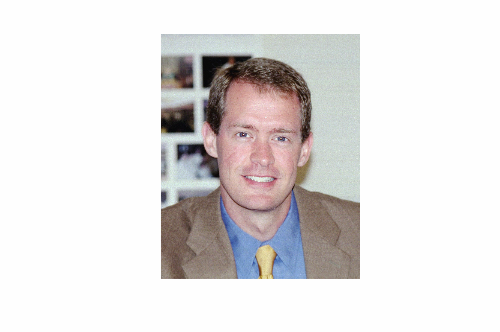
College Life: Learning to Think and to Love
When that happens ... college ministry will be a place where we have the courage and freedom to ask the biggest questions and imagine the existence of those beyond our own tribe (so that we) complement cogito ergo sum with amo ergo sum, challenging us to love as well as think.
By Nathan D. Wilson
In her May 30 Newsweek column (“Life of the Closed Mind”), Anna Quindlen stated that since 9/11/2001, the United States has become a country that has effectively taught its young people "the terrible example of closed minds.” She focused especially on those young people in the midst of university commencements – most of whom began their university careers in September 2001.
Quindlen quoted Lee Bollinger, Columbia University president, to wit: “To learn to ask: ‘Is that true? Maybe there's something to what she just said. Let me think about it. That's interesting. Maybe I should change my mind. I changed my mind’.” Then asked Quindlen with passion: “When is the last time you can honestly remember a public dialogue, or even a private conversation, that followed that useful course?”
Probably not recently; no, these days, life both in and outside the academy appears increasingly defined by the development of like-minded enclaves within which academics isolate themselves from other truth claims and insulate themselves from others who might challenge their fundamentals. These enclaves exist in conservative safe harbors just as they do in liberal ivory towers as cozy havens for those convinced of their own beliefs to the point of berating the beliefs of others.
And yet, if there is any setting where new ideas should be tried on for size and otherness should be encountered, it is the college setting. The college years should be full of learning everything possible, figuring out how to save the world, working hard and playing harder.
Enter the important role and responsibility of college ministry. In the midst of an academic community, university ministers are ideally positioned to prod others to deeper engagement of issues that matter; they can, and should, encourage, even challenge, others to ask more honestly how we should respond to the world in which we live. Rather than tell students, faculty and staff what to think, university ministers can challenge others to consider how (that is, by what standards and methods) they make sense of the relationship of self, world and faith.
When that happens, college ministry will fill this important gap of which Quindlen wrote because university ministry will be a place where we have the courage and freedom to ask the biggest questions and imagine the existence of those beyond our own tribe. This courage, freedom and imagination might just give rise to compassion, which might, in turn, help us complement cogito ergo sum with amo ergo sum, challenging us to love as well as think.
At its best, college ministry is about helping students form their beliefs while learning from the truths in other beliefs. At its best, college ministry is open-minded and opening minds.
The Reverend Nathan D. Wilson is a minister in the Christian Church (Disciples of Christ) denomination. He can be emailed at cmwpew@aol.com
Friday, December 02, 2005
college ministry
Cutting Edge Issues for Religious Leaders:
Why University Ministry is Important
By The Reverend Nathan D. Wilson
[TRANSCRIPT PRODUCED FROM TAPE RECORDINGS]
Thank you for inviting me to join this dialogue about cutting edge issues for religious leaders.
First, a brief housekeeping matter. To have honest interfaith dialogue, each participant needs to identify the faith or ideological perspective from which he or she speaks. I speak as a Christian, ordained in the Christian Church (Disciples of Christ), theologically ecumenical, evangelical and progressive, engaged in interfaith dialogue and practice, in love with learning, and committed in action to issues of peace, justice and equality. My hope and prayer is that the words I say will resonate even with those who do not share my language and loyalties.
As some of you know, I frequently talk about three characteristics that communities of faith should embody: true community, deep spirituality and a passion for justice. Now I know that this dialogue is about university ministry, but these three characteristics have become my mantra, and, more importantly, they add to this conversation – so allow me to briefly recap them.
Communities of faith must be about forming and exhibiting true community; that is, we must be about providing opportunities to discuss, deliberate and debate, to explore, engage and empower, to hope, heal and even ask for help – and these opportunities must be in safe spaces where participants are both candid and considerate.
Communities of faith must be about deep spirituality. There are many patterns of spiritual formation and exploration, and for today I’m not planning to review them or advocate for one. (I do have formative models and disciplines to suggest that I’m happy to discuss afterward, especially if, say, you treated me to a cup of coffee …) Today I am simply going to say that deep spirituality includes both reflection about one’s faith and attention to how one’s life is being lived. This includes asking who we are, who God is, how we can be shaped by our faith, and how we can put our faith into practice. Spirituality leads to healing and wholeness of oneself, of one’s community, of God’s world.
Communities of faith must be passionate about justice. Similar perhaps to spirituality, we could spend much time defining justice according to various religious, philosophic and legal traditions. My own definition is rooted in the scriptures of the Abrahamic faiths, which is to say, in brief, that justice has both personal and social components. Justice is both about what we do to ourselves and each other and it is about what the systems in which we live and operate do to us all. Rather than spend time defining justice (though, again, a cup of java or one of those nice looking éclairs might persuade me later), the point for us now is that communities of faith are to teach, sensitize, motivate and challenge their members to engage contemporary realities in acts of service and witness.
That is my summary of the three aspects that communities of faith should exemplify. Besides being like a politician who sticks to his message points regardless of the question asked (or a windup doll maybe), I went through that summary because the aspects give shape to how we do effective university ministry. So now I’ll change directions a bit and address the importance of ministry during one of the typically most influential and formative periods of life.
During the college years, there is a distinct openness to new ideas, and to the exploration of faith. This openness, especially when combined with the influence universities have on society’s values, makes the task of serving as university minister simultaneously daunting and exciting.
First, university ministers should soothe some and stir up others searching to connect their spiritual hunger, social commitments and academic pursuits. Sincere and systematic engagement of the moral challenges surrounding one’s chosen field is often absent from higher education. In the college setting, many choices and challenges are raised – be they moral, spiritual, physical, intellectual, economic or other – which should be held in dialogical tension to create a healthy and whole person.
Second, university ministry should provide the tools to live a faithful and informed life. It is unfair for university ministers to create false security, a sheltered environment where every question is answered, and all needs are met. The more appropriate approach is to invite students and staff to be honest with questions about faith, to take a critical look at their inherited faith, and then begin the task of clarifying what is helpful and what is not. There may be periods when the ground of one’s faith is shaky; into that uncertainty, however, can come recognition that life is uncertain, and that faith is grounded in a reality that embraces such times and tells us the truth about those times. What seems to be endless wilderness may be an opportunity to go farther and deeper with one’s faith.
Third, university ministers have important opportunities to exercise the roles of minister as pastor and priest. In times of crisis, whether personal, institutional, national or worldwide, university ministers should bring words of hope and peace. University ministers are blessed with opportunities for pastoral counseling: the great privilege of being invited into the sanctuary of someone else’s soul.
Fourth, university ministers have important opportunities as prophets. In the midst of an academic community, university ministers can prod others to deeper engagement of issues that matter; they can encourage, even challenge, others to ask more honestly how we should respond to the world in which we live. University ministers should always complement cogito ergo sum with amo ergo sum, challenging the community to love as well as think.
Fifth, when done well, university worship informs and inspires. What is worship that is done well? It is worship that is genuinely ecumenical; emphasizing that God’s grace is wide enough to receive us all. It is worship that allows room for the Holy Spirit to affirm our gifts, challenge our frailties, and enlarge our perceptions. It is worship that reminds us that the strength of love reaches us wherever we are and brings us together. It is worship with order and flow, but is not stale or stiff. It is worship filled with songs and images from all over the world, with prayers and proclamation, with drama and dance, with art and flowers. Most of all, it is worship filled with the gifts of the gathered community.
Finally for now, university ministry can simply be fun! It should be. The university years should be challenging; they should be formative; they should be a bit confusing, at least from time to time. Amidst all that, college should be this exhilarating time of trying on ideas and perspectives, learning everything possible, figuring out how to save the world, playing hard and working hard.
Any metabolizing minister could not but love to be in that mix.
So, jump in with your questions or comments. Thanks for your time.
Nathan D. Wilson is the minister of a Disciples congregation in central Kentucky with a growing young adult program. We came to know Nathan in West Virginia when we were Vista volunteers and he was the youngest director of any state council of churches in the nation, led some awesome efforts to “promote the common good above personal gain” (a phrase he used in every interview!), and would bike the big loop in Kanawha with us every other Saturday. Nathan can be contacted at nathandaywilson@aol.com and his web log is www.nathandaywilson.blogspot.com
Why University Ministry is Important
By The Reverend Nathan D. Wilson
[TRANSCRIPT PRODUCED FROM TAPE RECORDINGS]
Thank you for inviting me to join this dialogue about cutting edge issues for religious leaders.
First, a brief housekeeping matter. To have honest interfaith dialogue, each participant needs to identify the faith or ideological perspective from which he or she speaks. I speak as a Christian, ordained in the Christian Church (Disciples of Christ), theologically ecumenical, evangelical and progressive, engaged in interfaith dialogue and practice, in love with learning, and committed in action to issues of peace, justice and equality. My hope and prayer is that the words I say will resonate even with those who do not share my language and loyalties.
As some of you know, I frequently talk about three characteristics that communities of faith should embody: true community, deep spirituality and a passion for justice. Now I know that this dialogue is about university ministry, but these three characteristics have become my mantra, and, more importantly, they add to this conversation – so allow me to briefly recap them.
Communities of faith must be about forming and exhibiting true community; that is, we must be about providing opportunities to discuss, deliberate and debate, to explore, engage and empower, to hope, heal and even ask for help – and these opportunities must be in safe spaces where participants are both candid and considerate.
Communities of faith must be about deep spirituality. There are many patterns of spiritual formation and exploration, and for today I’m not planning to review them or advocate for one. (I do have formative models and disciplines to suggest that I’m happy to discuss afterward, especially if, say, you treated me to a cup of coffee …) Today I am simply going to say that deep spirituality includes both reflection about one’s faith and attention to how one’s life is being lived. This includes asking who we are, who God is, how we can be shaped by our faith, and how we can put our faith into practice. Spirituality leads to healing and wholeness of oneself, of one’s community, of God’s world.
Communities of faith must be passionate about justice. Similar perhaps to spirituality, we could spend much time defining justice according to various religious, philosophic and legal traditions. My own definition is rooted in the scriptures of the Abrahamic faiths, which is to say, in brief, that justice has both personal and social components. Justice is both about what we do to ourselves and each other and it is about what the systems in which we live and operate do to us all. Rather than spend time defining justice (though, again, a cup of java or one of those nice looking éclairs might persuade me later), the point for us now is that communities of faith are to teach, sensitize, motivate and challenge their members to engage contemporary realities in acts of service and witness.
That is my summary of the three aspects that communities of faith should exemplify. Besides being like a politician who sticks to his message points regardless of the question asked (or a windup doll maybe), I went through that summary because the aspects give shape to how we do effective university ministry. So now I’ll change directions a bit and address the importance of ministry during one of the typically most influential and formative periods of life.
During the college years, there is a distinct openness to new ideas, and to the exploration of faith. This openness, especially when combined with the influence universities have on society’s values, makes the task of serving as university minister simultaneously daunting and exciting.
First, university ministers should soothe some and stir up others searching to connect their spiritual hunger, social commitments and academic pursuits. Sincere and systematic engagement of the moral challenges surrounding one’s chosen field is often absent from higher education. In the college setting, many choices and challenges are raised – be they moral, spiritual, physical, intellectual, economic or other – which should be held in dialogical tension to create a healthy and whole person.
Second, university ministry should provide the tools to live a faithful and informed life. It is unfair for university ministers to create false security, a sheltered environment where every question is answered, and all needs are met. The more appropriate approach is to invite students and staff to be honest with questions about faith, to take a critical look at their inherited faith, and then begin the task of clarifying what is helpful and what is not. There may be periods when the ground of one’s faith is shaky; into that uncertainty, however, can come recognition that life is uncertain, and that faith is grounded in a reality that embraces such times and tells us the truth about those times. What seems to be endless wilderness may be an opportunity to go farther and deeper with one’s faith.
Third, university ministers have important opportunities to exercise the roles of minister as pastor and priest. In times of crisis, whether personal, institutional, national or worldwide, university ministers should bring words of hope and peace. University ministers are blessed with opportunities for pastoral counseling: the great privilege of being invited into the sanctuary of someone else’s soul.
Fourth, university ministers have important opportunities as prophets. In the midst of an academic community, university ministers can prod others to deeper engagement of issues that matter; they can encourage, even challenge, others to ask more honestly how we should respond to the world in which we live. University ministers should always complement cogito ergo sum with amo ergo sum, challenging the community to love as well as think.
Fifth, when done well, university worship informs and inspires. What is worship that is done well? It is worship that is genuinely ecumenical; emphasizing that God’s grace is wide enough to receive us all. It is worship that allows room for the Holy Spirit to affirm our gifts, challenge our frailties, and enlarge our perceptions. It is worship that reminds us that the strength of love reaches us wherever we are and brings us together. It is worship with order and flow, but is not stale or stiff. It is worship filled with songs and images from all over the world, with prayers and proclamation, with drama and dance, with art and flowers. Most of all, it is worship filled with the gifts of the gathered community.
Finally for now, university ministry can simply be fun! It should be. The university years should be challenging; they should be formative; they should be a bit confusing, at least from time to time. Amidst all that, college should be this exhilarating time of trying on ideas and perspectives, learning everything possible, figuring out how to save the world, playing hard and working hard.
Any metabolizing minister could not but love to be in that mix.
So, jump in with your questions or comments. Thanks for your time.
Nathan D. Wilson is the minister of a Disciples congregation in central Kentucky with a growing young adult program. We came to know Nathan in West Virginia when we were Vista volunteers and he was the youngest director of any state council of churches in the nation, led some awesome efforts to “promote the common good above personal gain” (a phrase he used in every interview!), and would bike the big loop in Kanawha with us every other Saturday. Nathan can be contacted at nathandaywilson@aol.com and his web log is www.nathandaywilson.blogspot.com
Monday, November 07, 2005
Martin Luther King on Peace
I've been reading a lot about and from Martin Luther King, Jr., these days. Below is a reflection I wrote after reading his sermon titled, "Chrismas Sermon on Peace." -- Nathan
I, like many people, love King’s “I Have a Dream” speech. I enjoy reading the transcription of it; I enjoy hearing its original delivery; I usually even enjoy when someone tries to recite it from memory (though I’ve heard some pretty awful renderings by black politicians). I like that speech and am glad to know it.
However, I think that in addition to hearing “I Have a Dream” each January, we should also hear this sermon. I say that because in this sermon King talks about how and when the dream King expressed in his “I Have a Dream” speech turned to a nightmare. I don’t want to come across as a downer, but the sermon and the presence of violent racism need to be held before people unless we believe somehow that King’s dream came true. It did not yet come true.
King writes that the first time he witnessed the dream turn to a nightmare was when white racists bombed the Sixteenth Street Baptist Church in Birmingham, Alabama during Sunday school on September 15, 1963. This was less than one month after the “I Have a Dream” speech. Four black children were killed that morning. Astonishingly, not one member of Birmingham's white community attended the funeral services.
King watched the dream turn into a nightmare as he saw African Americans in northern ghettos “perishing on a lonely island of poverty in the midst of a vast ocean of material prosperity,” (257) while the nation did nothing to rescue them. Moreover, King said he watched the dream turn to a nightmare as he watched his people “in the midst of anger and understandable outrage, in the midst of their hurt, in the midst of their disappointment, turn to misguided riots to try to solve that problem” (257). Finally, King saw his dream turn to a nightmare as he watched the escalation of the war in Vietnam, where the war on poverty was shot down on every battlefield.
King was increasingly troubled to figure out how to remain faithful to God's call in the face of the myriad ways that his dream for America and the world became a nightmare. One of the ways was to hang onto to the essence of life, which for King was life’s interrelatedness. “It really boils down to this: that all life is interrelated. We are all caught in an inescapable network of mutuality, tied to a single garment of destiny. Whatever affects one directly, affects all indirectly. We are made to live together because of the interrelated structure of reality” (254). King then illustrates this point with a beautiful sequence detailing how our common morning process means using materials from throughout the world. South Americans provide our coffee; French provide our soap; English provide our toast; West Africans our cocoa, and so on. Ultimately we will not have peace until “we recognize this basic fact of the interrelated structure of all reality” (254).
A second key to remaining faithful, as it was a key to realizing peace on earth, was embracing “the nonviolent affirmation that ends and means must cohere” (254). Here King presses the case for nonviolent action leading to peace and violent action not. King speaks about the contradictions of dropping bombs in the name of peace. Means are the seed and the end is the tree, so one cannot hope to receive a good end with a bad means. Peace is not merely the end goal; it is also the means by which peace is achieved. To find peaceful ends, we must pursue it by peaceful means. King concludes this section by writing, “All of this is saying that, in the final analysis, means and ends must cohere because the end is preexistent in the means, and ultimately destructive means cannot bring about constructive ends” (255).
One of the mind expanding concepts in this sermon is introduced when King says that he has “seen too much hate to want to hate” (256). King names some on whose faces he has seen hate, and states that each times he sees hate he realizes more and more the weight hate is to carry around. Here King weaves his Gandhian philosophy when he encourages his audience to stand up before our most bitter opponents and say: We shall match your capacity to inflict suffering by our capacity to endure suffering. We will meet your physical force with soul force. Do to us what you will and we will still love you. (256).
This is an amazing concept not least because it runs counter to our instincts. Even if we do not seek to harm others, our basic instinct for survival is to protect ourselves and those we love.
King weaves the influence of Thoreau on his thinking when he states that “ We cannot in all good conscience obey your unjust laws and abide by the unjust system, because noncooperation with evil is as much a moral obligation as is cooperation with good, and so throw us in jail and we will still love you” (256). As I have suggested elsewhere, this, stated another way, suggests that for me to be silent in the face of any oppression, mine or another’s, is as bad as causing the oppression. Oppressing others runs contrary to my belief of Jesus as liberator. So, finally, my silence jeopardizes my Christianity. The truth of this concept bothers me because there are issues now about which I am being silent or at least barely audible. They may not be as plain as was American racial segregation in King’s day, but that does not make them any less important, nor does excuse my silence.
On second thought, maybe this sermon should not be read every January. It might bother us too much.
Nathan D. Wilson
I, like many people, love King’s “I Have a Dream” speech. I enjoy reading the transcription of it; I enjoy hearing its original delivery; I usually even enjoy when someone tries to recite it from memory (though I’ve heard some pretty awful renderings by black politicians). I like that speech and am glad to know it.
However, I think that in addition to hearing “I Have a Dream” each January, we should also hear this sermon. I say that because in this sermon King talks about how and when the dream King expressed in his “I Have a Dream” speech turned to a nightmare. I don’t want to come across as a downer, but the sermon and the presence of violent racism need to be held before people unless we believe somehow that King’s dream came true. It did not yet come true.
King writes that the first time he witnessed the dream turn to a nightmare was when white racists bombed the Sixteenth Street Baptist Church in Birmingham, Alabama during Sunday school on September 15, 1963. This was less than one month after the “I Have a Dream” speech. Four black children were killed that morning. Astonishingly, not one member of Birmingham's white community attended the funeral services.
King watched the dream turn into a nightmare as he saw African Americans in northern ghettos “perishing on a lonely island of poverty in the midst of a vast ocean of material prosperity,” (257) while the nation did nothing to rescue them. Moreover, King said he watched the dream turn to a nightmare as he watched his people “in the midst of anger and understandable outrage, in the midst of their hurt, in the midst of their disappointment, turn to misguided riots to try to solve that problem” (257). Finally, King saw his dream turn to a nightmare as he watched the escalation of the war in Vietnam, where the war on poverty was shot down on every battlefield.
King was increasingly troubled to figure out how to remain faithful to God's call in the face of the myriad ways that his dream for America and the world became a nightmare. One of the ways was to hang onto to the essence of life, which for King was life’s interrelatedness. “It really boils down to this: that all life is interrelated. We are all caught in an inescapable network of mutuality, tied to a single garment of destiny. Whatever affects one directly, affects all indirectly. We are made to live together because of the interrelated structure of reality” (254). King then illustrates this point with a beautiful sequence detailing how our common morning process means using materials from throughout the world. South Americans provide our coffee; French provide our soap; English provide our toast; West Africans our cocoa, and so on. Ultimately we will not have peace until “we recognize this basic fact of the interrelated structure of all reality” (254).
A second key to remaining faithful, as it was a key to realizing peace on earth, was embracing “the nonviolent affirmation that ends and means must cohere” (254). Here King presses the case for nonviolent action leading to peace and violent action not. King speaks about the contradictions of dropping bombs in the name of peace. Means are the seed and the end is the tree, so one cannot hope to receive a good end with a bad means. Peace is not merely the end goal; it is also the means by which peace is achieved. To find peaceful ends, we must pursue it by peaceful means. King concludes this section by writing, “All of this is saying that, in the final analysis, means and ends must cohere because the end is preexistent in the means, and ultimately destructive means cannot bring about constructive ends” (255).
One of the mind expanding concepts in this sermon is introduced when King says that he has “seen too much hate to want to hate” (256). King names some on whose faces he has seen hate, and states that each times he sees hate he realizes more and more the weight hate is to carry around. Here King weaves his Gandhian philosophy when he encourages his audience to stand up before our most bitter opponents and say: We shall match your capacity to inflict suffering by our capacity to endure suffering. We will meet your physical force with soul force. Do to us what you will and we will still love you. (256).
This is an amazing concept not least because it runs counter to our instincts. Even if we do not seek to harm others, our basic instinct for survival is to protect ourselves and those we love.
King weaves the influence of Thoreau on his thinking when he states that “ We cannot in all good conscience obey your unjust laws and abide by the unjust system, because noncooperation with evil is as much a moral obligation as is cooperation with good, and so throw us in jail and we will still love you” (256). As I have suggested elsewhere, this, stated another way, suggests that for me to be silent in the face of any oppression, mine or another’s, is as bad as causing the oppression. Oppressing others runs contrary to my belief of Jesus as liberator. So, finally, my silence jeopardizes my Christianity. The truth of this concept bothers me because there are issues now about which I am being silent or at least barely audible. They may not be as plain as was American racial segregation in King’s day, but that does not make them any less important, nor does excuse my silence.
On second thought, maybe this sermon should not be read every January. It might bother us too much.
Nathan D. Wilson
Tuesday, October 25, 2005
We Are Family
Below is my most recent newsletter column for the congregation I serve.
I’m no authority on movies, but a new one worth seeing is “Elizabethtown.” So named for Elizabethtown, KY, this movie is about a man named Drew. Drew spent virtually all his time, energy and efforts the last few years designing a shoe so bad his company will lose nearly a billion dollars. He poured himself into this company only to be rejected once the shoe design flopped. About when Drew was on the edge of doom, he learned his father died, and he suddenly needed to go to Elizabethtown to make arrangements to bring his father’s remains back to Oregon.
Over time, Drew realized why he is so lonely and lost. He realized, for instance, that his drive for materialism and a big name at the company led him nowhere.
Drew also realized that he cut himself off from his family. To his surprise, though, his new extended family and new found friends won’t let him stay lost. They adopt Drew trying to point him in a direction that leads to life. It doesn’t matter that he is from California (he’s actually from Oregon, but the joke is that for them it’s all California). What they know is that here is one who needs help.
The children and youth selected “We are Family” as their theme for Youth Sunday, November 6, because that is the essence of what we are at Clintonville Christian: a family who knows that we all need help and direction.
Our children and youth may show us lessons we have forgotten. I hope you will be here November 6 for Youth Sunday.
See you at the family place -- Nathan
Nathan D Wilson
I’m no authority on movies, but a new one worth seeing is “Elizabethtown.” So named for Elizabethtown, KY, this movie is about a man named Drew. Drew spent virtually all his time, energy and efforts the last few years designing a shoe so bad his company will lose nearly a billion dollars. He poured himself into this company only to be rejected once the shoe design flopped. About when Drew was on the edge of doom, he learned his father died, and he suddenly needed to go to Elizabethtown to make arrangements to bring his father’s remains back to Oregon.
Over time, Drew realized why he is so lonely and lost. He realized, for instance, that his drive for materialism and a big name at the company led him nowhere.
Drew also realized that he cut himself off from his family. To his surprise, though, his new extended family and new found friends won’t let him stay lost. They adopt Drew trying to point him in a direction that leads to life. It doesn’t matter that he is from California (he’s actually from Oregon, but the joke is that for them it’s all California). What they know is that here is one who needs help.
The children and youth selected “We are Family” as their theme for Youth Sunday, November 6, because that is the essence of what we are at Clintonville Christian: a family who knows that we all need help and direction.
Our children and youth may show us lessons we have forgotten. I hope you will be here November 6 for Youth Sunday.
See you at the family place -- Nathan
Nathan D Wilson
Tuesday, October 11, 2005
Ministry Teamwork
Below is my most recent newsletter column for the congregation I serve, the Clintonville Christian Church in Kentucky.
Essential for the Adventure: Teamwork
My good friend and college roommate, Jed, and I recently competed in Asbury College’s annual adventure race. The race is so named because it consists of 3 miles of running, 5 miles of mountain biking, 2 miles of canoeing, two high ropes climbing events, and one low ropes balance and agility event. The race is structured for two person teams and both teammates must complete all the events. Everything is outdoors and it is nonstop – nonstop, that is, until you finish the race or the race finishes you. (Yes, comedians, we finished the race!)
In such a race, it does not take long to realize how important teamwork is. Of course, teamwork is unavoidable for the canoeing and ropes events: it is against the rules (as well as physically impossible) to complete the ropes events without your teammate and you would have a hard time completing the canoeing (in sixteen foot, two person canoes) without a teammate. But even beyond those events, teamwork is vital to doing well in the race.
Why is teamwork so vital, you ask, in what seems like mainly individual events? Well, thanks for asking. You see, when you work as a team you can challenge each other to push harder. When you work as a team you can encourage each other to keep going. When you work as a team you know that there is someone else there to excel or at least endure the race with you.
One key to effective teamwork is knowing each other’s strengths. At some points in the race, I challenged or encouraged Jed; at other points, he challenged or encouraged me. A second key is realizing that every member of the team is important.
It’s the same for us at Clintonville Christian. Teamwork is essential. It provides healthy challenge and healthy encouragement. Clintonville Christian is a great team when we blend our God-given talents, gifts and graces in service and ministry.
See you at the place where all team members are important, and new ones want to be asked to join the team -- Nathan
Nathan D. Wilson
Essential for the Adventure: Teamwork
My good friend and college roommate, Jed, and I recently competed in Asbury College’s annual adventure race. The race is so named because it consists of 3 miles of running, 5 miles of mountain biking, 2 miles of canoeing, two high ropes climbing events, and one low ropes balance and agility event. The race is structured for two person teams and both teammates must complete all the events. Everything is outdoors and it is nonstop – nonstop, that is, until you finish the race or the race finishes you. (Yes, comedians, we finished the race!)
In such a race, it does not take long to realize how important teamwork is. Of course, teamwork is unavoidable for the canoeing and ropes events: it is against the rules (as well as physically impossible) to complete the ropes events without your teammate and you would have a hard time completing the canoeing (in sixteen foot, two person canoes) without a teammate. But even beyond those events, teamwork is vital to doing well in the race.
Why is teamwork so vital, you ask, in what seems like mainly individual events? Well, thanks for asking. You see, when you work as a team you can challenge each other to push harder. When you work as a team you can encourage each other to keep going. When you work as a team you know that there is someone else there to excel or at least endure the race with you.
One key to effective teamwork is knowing each other’s strengths. At some points in the race, I challenged or encouraged Jed; at other points, he challenged or encouraged me. A second key is realizing that every member of the team is important.
It’s the same for us at Clintonville Christian. Teamwork is essential. It provides healthy challenge and healthy encouragement. Clintonville Christian is a great team when we blend our God-given talents, gifts and graces in service and ministry.
See you at the place where all team members are important, and new ones want to be asked to join the team -- Nathan
Nathan D. Wilson
Thursday, October 06, 2005
College students and religion
African-American students are more likely than other students to believe in God or to attend religious services on a regular basis, according to the results of a survey of college freshmen conducted by the Higher Education Research Institute.
According to the study, 95 percent of African-American students believe in God; 84 percent of Latino; 78 percent of white; and, 65 percent of Asian-American students. Attending religious services regularly follows a similar trajectory: 53 percent of African-American, 42 percent of white, 39 percent of Latino, and 35 percent of Asian-American students attend religious services regularly.
Women are more likely than men to be involved in charitable activities of some kind, while men are more likely to be religious skeptics. Women are also more likely than men to pray.
Additional results indicate that while most freshmen believe in God, fewer than half follow religious teachings in their daily lives. Not surprisingly, the study found that most students were interested in grappling with big questions like the meaning of life.
Nathan D Wilson
www.nathandaywilson.blogspot.com
According to the study, 95 percent of African-American students believe in God; 84 percent of Latino; 78 percent of white; and, 65 percent of Asian-American students. Attending religious services regularly follows a similar trajectory: 53 percent of African-American, 42 percent of white, 39 percent of Latino, and 35 percent of Asian-American students attend religious services regularly.
Women are more likely than men to be involved in charitable activities of some kind, while men are more likely to be religious skeptics. Women are also more likely than men to pray.
Additional results indicate that while most freshmen believe in God, fewer than half follow religious teachings in their daily lives. Not surprisingly, the study found that most students were interested in grappling with big questions like the meaning of life.
Nathan D Wilson
www.nathandaywilson.blogspot.com
Subscribe to:
Posts (Atom)